
Loading...
Serving Columbia, MO and surrounding areas. (573) 530-1593
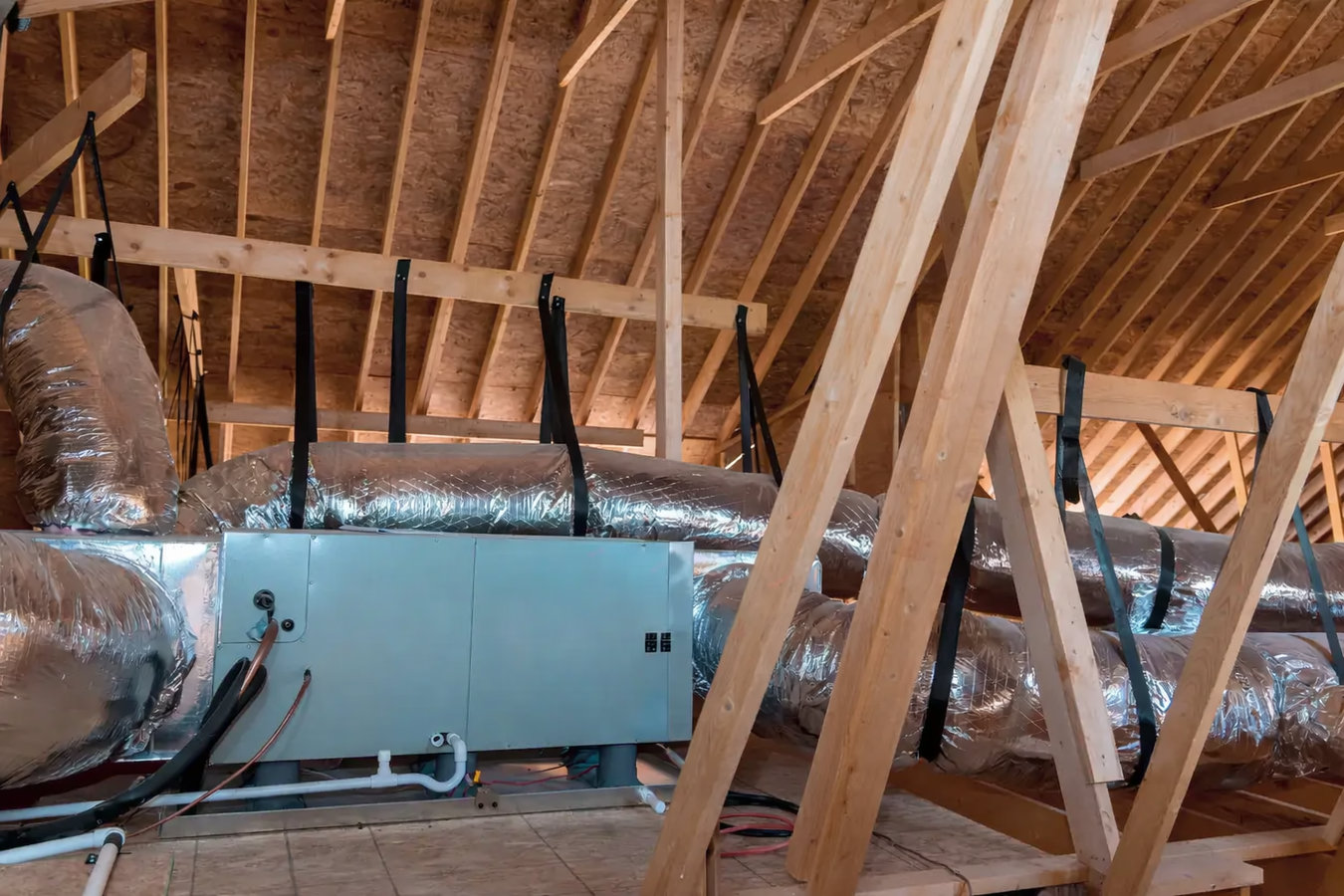
Gaps in your attic floor cost you money every month. Columbia Insulation finds and seals those leaks so your heating and cooling system stops fighting a losing battle.
Attic air sealing in Columbia, MO means locating and plugging the gaps in your attic floor that let conditioned air escape and outside air infiltrate your living space. Most jobs are completed in one to two days, and you can remain in the home the entire time since the work takes place entirely in the attic.
Most homeowners assume that adding more insulation is the fix for high energy bills and uncomfortable rooms. Insulation slows heat transfer, but it does nothing about air that moves freely through gaps around pipes, wiring, light fixtures, and wall tops. A home with good insulation but poor air sealing is still losing a significant amount of conditioned air every hour. Sealing first, then insulating, is the sequence that actually delivers the savings homeowners expect.
For homes that need both, our air sealing services can address the full building envelope, not just the attic floor, when whole-house air leakage is the underlying problem.
If your upstairs rooms are noticeably warmer in summer or colder in winter than the rest of the house, air movement through the attic floor is a likely cause. Columbia summers are long and humid, and an attic that leaks hot air downward overwhelms even a well-sized HVAC system. This is one of the most common complaints from homeowners in Columbia's older established neighborhoods, and air sealing consistently solves it.
If you've compared utility bills with neighbors in similar-sized homes and yours are consistently higher, air leakage is a leading explanation. Columbia Water and Light customers can sometimes request a usage comparison through the utility for context. A home that leaks air from the attic runs its heating system longer and harder than a sealed one, even when the thermostat settings are identical.
If you can feel cold air coming down from the attic hatch in winter, or if the hatch cover feels cold to the touch, you are losing heated air directly through that opening every day. The attic hatch is one of the most overlooked air leak points in any home and a reliable indicator that other gaps exist throughout the attic floor.
A large share of Columbia's housing stock dates from this era, and homes built then were constructed under very loose air-tightness standards. If you've lived in your home for years without any insulation or weatherization work, the attic almost certainly has gaps around plumbing stacks, wiring, and wall tops that have been leaking since the day the house was built. Age alone is a sufficient reason to schedule an inspection.
Columbia Insulation performs attic air sealing by moving aside existing insulation to expose the attic floor, then systematically locating and sealing every gap we find. Depending on the size and type of opening, we use spray foam, caulk, or rigid foam board. We seal the tops of interior walls, plumbing and wiring penetrations, recessed light fixtures, attic hatch perimeters, and any duct chases that connect the attic to the living space.
For homes with significant air leakage, we recommend combining attic sealing with a crawl space vapor barrier installation to address moisture entry from below while we address heat and air loss from above. Sealing both ends of the building envelope in the same project is the most efficient way to reduce total energy loss and humidity infiltration.
After sealing is complete, insulation is replaced or added over the sealed areas. We provide full documentation of what was sealed and what materials were used, which you will need for any tax credit or utility rebate claim.
Homes where age, settling, or past renovation work has created numerous air pathways through the attic floor.
Homes where the pull-down stairs or hatch cover is a visible source of drafts and heat loss.
Older homes with uninsulated recessed cans that transfer heat directly into the attic space above.
Homes where plumbing stacks, wiring bundles, and wall-top gaps are the primary sources of conditioned air loss.
Columbia's four-season climate creates two distinct energy challenges: heat pushing up through the attic and out in January, and hot attic air driving down into living spaces in July. That double-direction demand means every unsealed gap costs you in both heating and cooling season, compounding the annual expense. Homeowners here get a return on air sealing work across the full year, not just one season.
The city's housing stock is heavily weighted toward homes built between the 1960s and 1980s, a construction era that predates modern energy codes by a wide margin. Those homes have attic floors full of gaps that were never sealed because builders weren't required to. Many of them have also had multiple layers of renovation work that created additional penetrations nobody ever went back and addressed. If you own one of those homes and have never had any attic work done, there is a very good chance you are losing conditioned air every single day.
We work across Columbia and serve the wider mid-Missouri region, including Sedalia, Rolla, and Warrensburg. Homes throughout this region share the same construction era and the same unsealed attic floor problem we address every week in Columbia.
We respond within 1 business day. You don't need to have a detailed picture of the problem yet, just describe what you're experiencing, and we'll ask the right questions to come prepared for the assessment visit.
A technician visits your home, inspects the attic floor directly (not just from the hatch), checks for any moisture or mold issues that need to be addressed before sealing, and gives you a written estimate broken down by scope. No pressure to schedule work at this visit.
The crew moves aside existing insulation to expose the attic floor, then seals every gap they find using foam, caulk, or rigid board depending on the gap type and size. You can stay in the home throughout. The work is dusty but produces no fumes or chemicals that affect your living space.
After sealing, insulation is replaced or added over the sealed areas. We provide full written documentation before we leave, including materials used and coverage areas, so you have everything needed to claim your federal tax credit or submit a Columbia Water and Light rebate application.
Free in-home assessment, written estimate, no commitment. We respond within 1 business day.
(573) 530-1593A thorough air sealing job requires moving existing insulation to see the full attic floor surface, not just sampling the visible areas from the hatch. We check every penetration type - plumbing stacks, wiring bundles, recessed fixtures, wall tops, and attic hatches. Skipping steps leaves the gaps that drive your bills.
The vast majority of our attic work is in homes built between the 1950s and 1980s, the era that defines Columbia's most established neighborhoods. We know where the gaps typically are in that construction and come to each job expecting to find them, which means fewer surprises and more accurate estimates than contractors who primarily work newer builds.
Columbia Insulation has been based in Columbia since 2022, building a local track record in the same community where our customers live. We are not a franchise operation, and the team that does your job is the same team you speak with when you call.
The federal 25C tax credit covers 30% of qualifying air sealing costs up to $1,200 per year. We provide the materials documentation you need to claim it and can walk you through Columbia Water and Light's rebate process so you're not leaving money on the table after the job is done.
Attic air sealing pays back in lower monthly bills and a noticeably more comfortable home. We make the process straightforward from assessment through documentation, so you can move forward with confidence and claim every available rebate or tax credit on the back end.
Pair attic air sealing with crawl space moisture control to address both ends of your home's thermal and humidity envelope.
Learn moreSee our full air sealing offering, including whole-house assessment and sealing work beyond the attic floor.
Learn moreFall slots fill quickly before heating season. Lock in your appointment now and head into winter with a home that holds heat.