
Loading...
Serving Columbia, MO and surrounding areas. (573) 530-1593
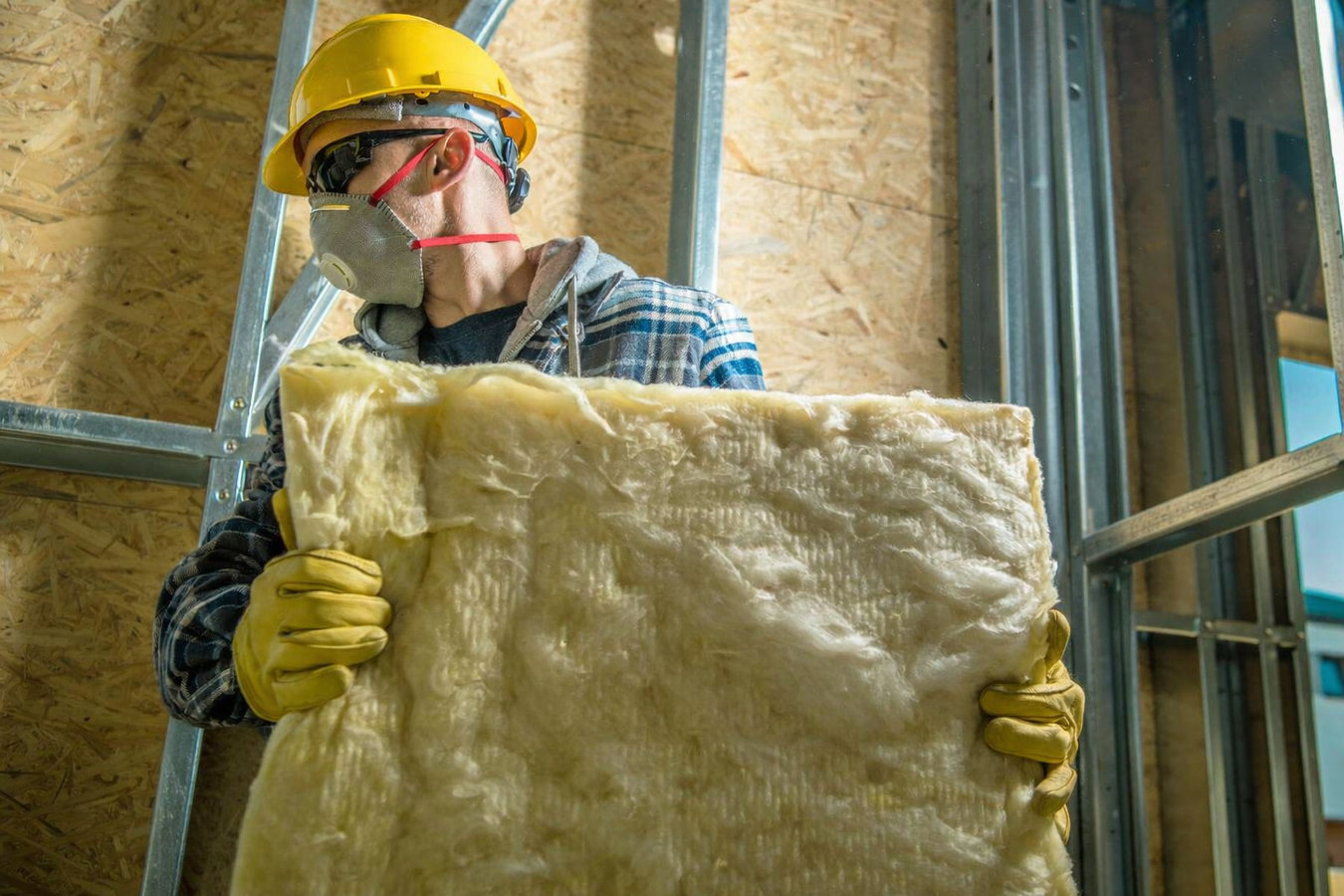
Your building works against you when it is under-insulated. We install and upgrade commercial insulation in Columbia, MO with fully permitted, city-inspected work.
Commercial insulation in Columbia means installing or upgrading thermal and moisture control systems in office buildings, retail spaces, warehouses, and mixed-use properties. Most small commercial jobs are completed in one to three days; larger or more complex buildings take longer depending on scope, existing conditions, and permit processing time.
Columbia has a significant inventory of commercial buildings constructed before modern energy codes took effect, particularly along Broadway, Providence Road, and in the older corridors near downtown. Buildings from the 1960s through the 1980s were built under standards that are well below what is required today. If your building is from that era and has never had an insulation assessment, there is a reasonable chance you are paying more to heat and cool it than you need to.
For building owners considering a broader upgrade, our spray foam insulation service covers the full range of foam types used in commercial applications, including their performance differences in Columbia's climate.
If your utility bills have gone up over the past year or two and you have not added equipment or expanded your space, failing insulation is one of the most common culprits. In Columbia's climate, where your HVAC runs hard in both summer and winter, even modest insulation gaps translate into significant wasted energy annually. This is a clear signal that an insulation assessment is worth scheduling.
If one part of your building is always too hot in July or too cold in January, even when the HVAC is running normally, insulation is missing or inadequate in that zone. In older Columbia commercial buildings this often shows up in spaces near exterior walls, under flat roofs, or in areas that were renovated at some point. Uneven comfort affects tenant satisfaction and is a symptom worth investigating.
Gaps around windows, doors, or where walls meet the roof are obvious signs that your building envelope is not sealed properly. In Columbia's humid summers, condensation forming on interior walls or ceilings signals that warm, moist outdoor air is getting in where it should not. Both conditions point to insulation and air-sealing problems that worsen if left unaddressed.
Many commercial buildings along Columbia's older corridors, including parts of downtown, Broadway, and the areas surrounding the MU campus, were built well before today's energy standards. If your building is in that category and has never had an insulation assessment, there is a reasonable chance you are operating below what current standards require. An assessment costs nothing and tells you exactly where you stand.
Commercial buildings typically require one of three main insulation approaches, and often a combination of all three. Spray foam seals gaps tightly and handles moisture well, making it a strong choice for rooflines, rim joists, and around mechanical penetrations. Rigid board panels offer high thermal resistance in a thin profile, well-suited for flat roofs and exterior wall assemblies. Blown-in loose-fill works efficiently in large open cavities and is the cost-effective option for attic and ceiling plenum spaces.
Our closed-cell foam insulation service is frequently used in commercial applications where both moisture resistance and structural rigidity are needed alongside thermal performance. For building owners who also operate or own residential properties, our residential services use the same materials and the same installation standards, so work quality is consistent across both property types.
Every commercial estimate we provide starts with an on-site walkthrough of the building. We assess the current insulation state, identify air leaks and moisture concerns, and provide a written estimate that breaks down cost by area and material type. We pull all required permits and schedule the city inspection. You should not have to navigate any of that yourself.
Buildings with irregular framing, rooflines, or moisture concerns where gap-sealing and thermal performance are both required in one application.
Larger buildings with open attic cavities, ceiling plenums, or enclosed spaces where blown-in loose fill provides efficient, even coverage.
Pre-1990 commercial buildings in Columbia that were constructed under older energy standards and have never had insulation work done.
Buildings where existing insulation is damaged, moisture-compromised, or too degraded to perform, requiring removal before new installation.
Columbia sits in a climate zone that works your building's HVAC system hard in both directions all year. Winters bring average January lows in the mid-20s Fahrenheit and summers push into the low 90s with humidity that regularly exceeds 70 percent. That wide temperature and moisture swing makes insulation performance a year-round operating cost issue, not a seasonal one. A building that is under-insulated here loses money through its walls and roof every month.
Columbia's commercial building stock includes a large inventory of pre-1990 construction, particularly in and around downtown, along the Broadway and Providence Road corridors, and in the older districts near the University of Missouri campus. Buildings from that era were typically built to standards well below what Missouri's current commercial energy code requires. The University of Missouri's presence also drives a competitive leasing market where well-insulated, lower-cost-to-operate buildings are more attractive to tenants. According to the North American Insulation Manufacturers Association, commercial buildings with properly installed insulation systems consistently outperform their under-insulated counterparts on operating costs and tenant comfort.
We serve commercial customers across mid-Missouri from our Columbia base, including property owners in Jefferson City, Fulton, and Warrensburg. Commercial buildings in those communities face the same climate and the same pre-1990 construction challenges that Columbia building owners deal with.
Call or submit a contact form with your building type, size, and what you have noticed. We respond within 1 business day and schedule an on-site visit rather than quoting over the phone, because commercial buildings vary too much without seeing the space.
We walk through your building, assess current insulation, check for moisture concerns, and identify air leaks. You receive a written estimate breaking down scope, materials, and cost by area within a few business days.
For most commercial work in Columbia, we pull a building permit through the City of Columbia before work begins. Permit processing typically takes a few business days to a couple of weeks depending on scope. We handle all of this on your behalf.
The crew works systematically through the areas outlined in your contract. Once complete, a city building inspector verifies the work meets Columbia's energy code. We walk you through the finished job and provide all documentation you will need.
No phone quotes. We walk your building, assess what is actually needed, and give you a written number you can compare. Response within 1 business day.
(573) 530-1593Every commercial insulation project we complete in Columbia is permitted through the City of Columbia's Building and Site Development office and inspected before closeout. You receive a paper trail that protects your investment if you ever sell, refinance, or file an insurance claim. Unpermitted work creates real problems in those situations.
Columbia Insulation was founded here and works exclusively in mid-Missouri. We know the commercial building corridors along Broadway and Providence Road and understand the challenges that pre-1990 construction presents. That local familiarity shapes every assessment we conduct.
Every commercial project starts with a free written estimate that breaks down scope and materials. You see the work and the cost clearly before signing anything, so you can compare bids on equal terms. Ask any contractor you consider for the same level of detail.
Columbia's summers push relative humidity past 70 percent regularly. Insulation that is not designed with moisture management in mind can trap condensation and create mold conditions over time. We factor Columbia's humidity into every commercial installation plan, not just its temperature swings.
Commercial insulation is an operating cost decision as much as it is a construction decision. We approach every Columbia job the same way: assess the building, factor in Columbia's climate and humidity, and propose a system that performs rather than just meets the minimum. That approach is what separates work that delivers real savings from work that simply adds material.
Spray foam is one of the most effective insulation systems for commercial buildings with irregular framing, rooflines, or moisture challenges.
Learn moreClosed-cell foam adds moisture resistance and structural rigidity alongside thermal performance, making it a common choice for commercial roof and wall assemblies.
Learn moreColumbia's heating season is approaching. Lock in your project date before the fall rush fills our schedule.