Loading...
Serving Columbia, MO and surrounding areas. (573) 530-1593
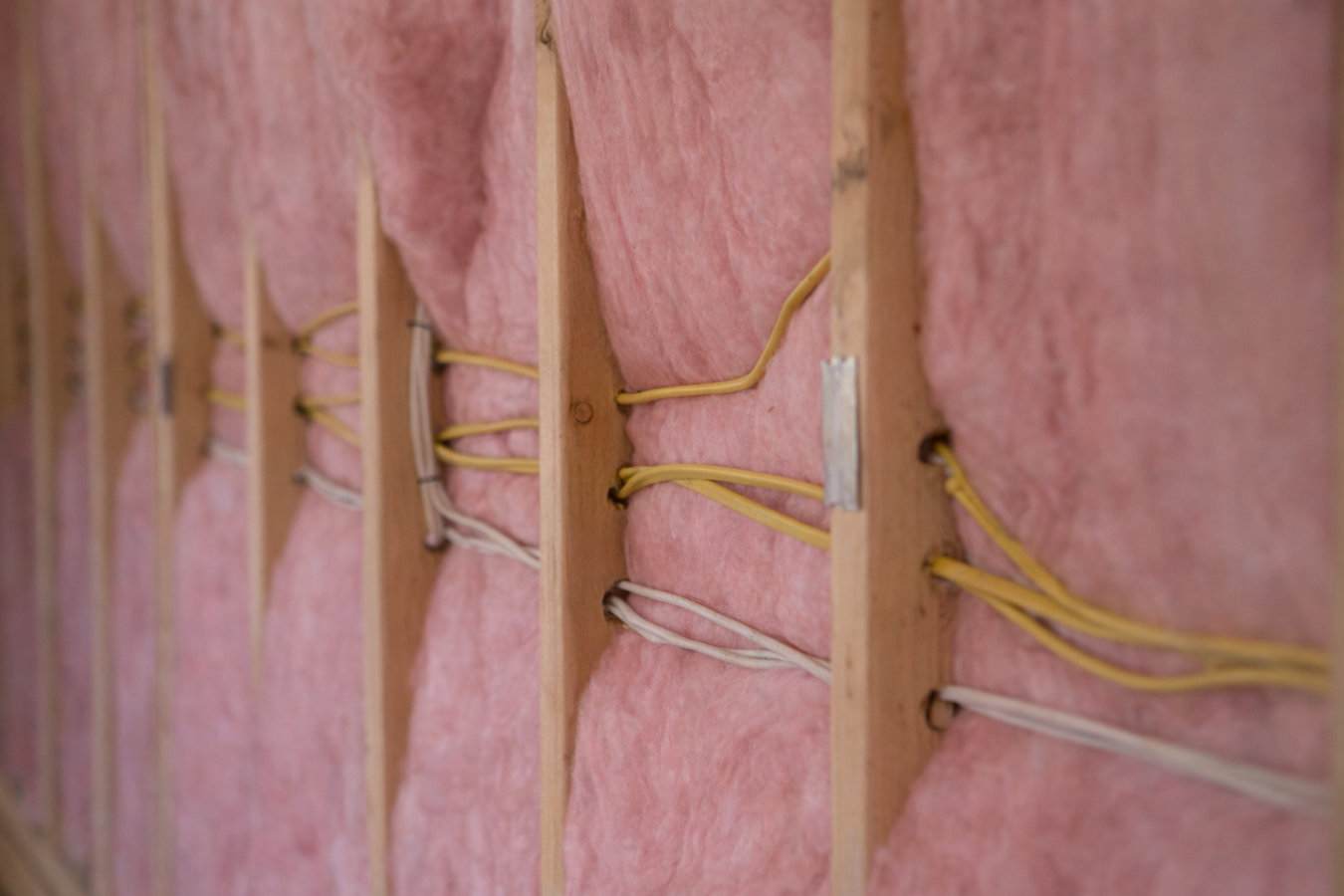
Columbia homes built before 1980 often have little or no wall insulation. We fill those empty wall cavities without removing your drywall, so your heating and cooling bills finally match the size of your home.
Wall insulation in Columbia, MO slows heat from escaping in winter and entering in summer, filling empty wall cavities so your heating and cooling system works with your home instead of against it. Most jobs are completed in one to two days without removing drywall.
Columbia sits in a part of Missouri where winters drop below freezing and summers bring heat and humidity that both push through uninsulated walls. If your home was built before 1980, your exterior walls likely have far less insulation than current standards call for, and possibly none at all. The neighborhoods near Old Southwest and Benton-Stephens are especially common sources of this kind of call.
Wall insulation also works best when air leaks are addressed at the same time. Our air sealing services close the gaps in your building envelope so the insulation you add has the best chance to perform.
If your heating bill in January and your cooling bill in August both feel out of proportion to the size of your home, under-insulated walls are one of the most common explanations. Columbia's cold winters and hot, humid summers mean your HVAC runs hard in both directions. Walls without insulation let conditioned air escape before it has any effect.
Press your hand flat against an interior wall surface on a cold day. If it feels significantly colder than the room air, heat is moving through the wall unchecked. Properly insulated walls should feel close to room temperature even when it is below freezing outside. This is a simple test any homeowner can do without any tools.
Electrical outlets and light switches on exterior walls are small windows into the wall cavity. If you feel cold air coming through them in winter, the wall behind them has gaps and likely inadequate insulation. This is one of the easiest symptoms to check yourself and is especially common in Columbia's older neighborhoods.
Columbia's prevailing winter winds come from the northwest. If rooms facing those directions are consistently harder to heat in winter or cool in summer than the rest of your home, the walls absorbing that wind exposure are a likely source of the problem. Targeted wall insulation on those exposures often resolves the issue.
The most common approach for existing homes is the drill-and-fill method. We drill small holes in the exterior siding or interior drywall, insert a hose, and fill each wall cavity with blown-in material. The holes are patched and finished to match the surrounding surface. Most homeowners find the results are nearly invisible after painting.
For homes where air sealing is also needed, we can apply spray foam to close gaps around electrical boxes, plumbing penetrations, and rim joists before the blown-in layer goes in. This combination delivers better performance than insulation alone. Our blown-in insulation service uses the same dense-pack approach in walls as in attics, giving consistent coverage throughout the home.
Before any material goes in, we check for existing moisture issues. Wet walls need to be dried and the source of moisture addressed before insulation is added. A contractor who skips that step is setting up a future mold problem. We flag anything we find during the assessment and will not proceed until those conditions are resolved.
Homes with empty or under-filled wall cavities that need complete coverage without removing drywall.
Homes where gaps around outlets, plumbing, and framing are letting conditioned air escape through exterior walls.
Older Columbia homes where both thermal performance and air tightness need to be addressed in the same visit.
Homes with any history of wall leaks, condensation, or exterior finish issues that could trap moisture against insulation.
Columbia's housing stock tells the story clearly. A large share of the city's homes were built between the 1940s and the 1970s, before energy codes required adequate wall insulation. The neighborhoods closest to the University of Missouri, along with Old Southwest and Benton-Stephens, are full of homes from that era. If you own one of them and have never had insulation work done, your exterior walls are almost certainly under-performing by today's standards.
Columbia's climate makes the payoff real. You are dealing with genuinely cold winters and long, humid summers. Walls that are not insulated let heat out in January and let heat in from June through September. The result is higher bills in both seasons and rooms that never quite reach the temperature you set. Columbia Water and Light and Ameren Missouri both run rebate programs for energy efficiency improvements, and federal tax credits are also available, so the final cost after incentives may be meaningfully lower than the upfront price.
We serve Columbia and the surrounding region. Whether you are in the city or commuting in from Fulton, Moberly, or Mexico, we cover the mid-Missouri area and understand the older housing stock that is common across this part of the state.
We respond within 1 business day. You do not need all the answers ready, just tell us the age of your home, what you have noticed, and what parts of the house feel uncomfortable. We will handle the rest.
A contractor walks through your home, checks what is in your walls now using a probe or thermal camera, looks for any moisture or structural concerns, and gives you a written estimate before leaving. No cost or obligation at this stage.
The crew drills small holes, fills each wall cavity with dense-pack blown-in material, patches the holes, and finishes the patches to match the surrounding surface. Most homes are completed in one to two days. You can stay home during the work.
Before we leave, walk through the finished work with the lead installer. We confirm all areas from the estimate were completed, explain what you should expect in terms of comfort improvement, and provide any documentation needed for utility rebates or tax credits.
We will assess your walls at no charge, give you a written estimate, and let you decide. No pressure, no commitment.
(573) 530-1593A large share of our wall insulation jobs are in homes built between the 1940s and 1970s. We know where those builds cut corners, what wall configurations to expect, and which moisture conditions to look for before adding any material.
Our installation method leaves your interior intact. Small holes are drilled through siding or drywall, the cavity is filled, and the patches are finished to match. Most homeowners cannot locate the patches after painting.
We confirm wall cavity coverage using thermal imaging or a probe before signing off on the job. You should not have to take a contractor's word that the walls are full. We show you the results before we leave.
Columbia Water and Light and Ameren Missouri both run energy efficiency incentive programs for residential customers. We can help you understand what is currently available and make sure you have the documentation you need to apply. The federal tax credit under the Inflation Reduction Act may also apply to your project, which you can review at{" "}ENERGY STAR's tax credit page.
Every wall insulation job we complete in Columbia reflects what we know about this city's housing stock and climate. We do not take a one-size-fits-all approach, because Columbia's older homes require attention to moisture, wall construction, and existing conditions that newer builds simply do not have. When the work is done, you will know exactly what was installed and where.
Wall insulation works best when air leaks are closed first. Our whole-home air sealing service finds and seals every gap before insulation goes in.
Learn moreThe same blown-in material used in walls is an efficient option for upgrading attic coverage in the same visit.
Learn moreCall or submit a request today. We will get back to you within 1 business day and schedule your free assessment at a time that works for you.