
Loading...
Serving Columbia, MO and surrounding areas. (573) 530-1593
Columbia Insulation serves Mexico and Audrain County with attic insulation, crawl space insulation, wall insulation, and spray foam for older homes throughout central Missouri. We reply within one business day and deliver written estimates before a single dollar is committed.
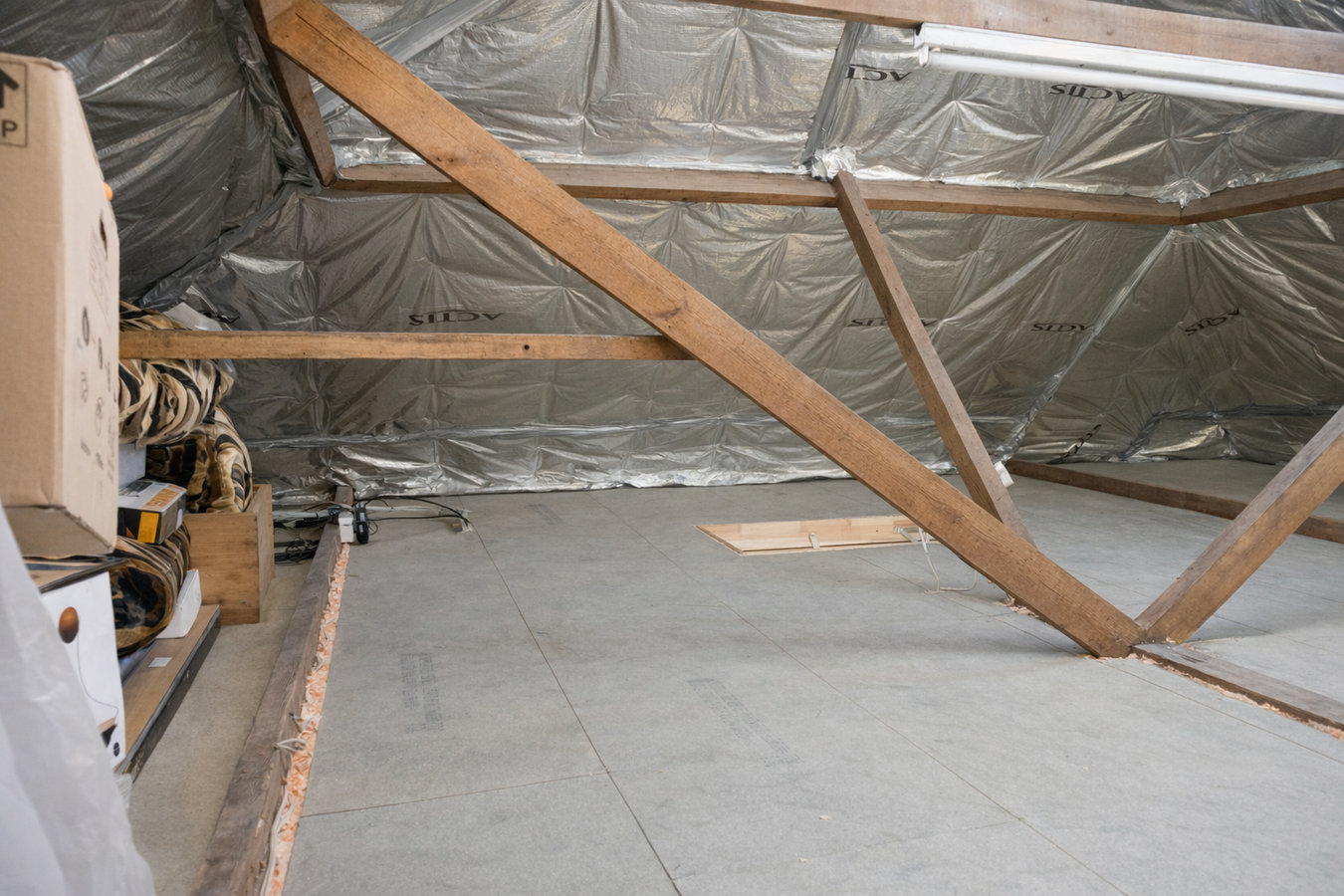
Most homes in Mexico, MO were built before 1970, when insulation requirements were far lower than they are today. Attics in these homes typically have three to five inches of original material that has compressed over decades to a fraction of its original R-value. Bringing an attic up to current standards is one of the most effective ways to reduce heating and cooling costs in Mexico's climate. Learn more about attic insulation and how it performs in central Missouri homes.
Audrain County's clay soil holds moisture close to the surface, and that moisture vapor rises directly into uninsulated crawl spaces throughout Mexico. Crawl spaces under older homes here regularly show signs of high humidity, wood deterioration, and mold in the floor joists. Insulating the crawl space walls or floor alongside a vapor barrier stops the cycle and protects the structure from seasonal moisture damage.
Brick construction is common throughout Mexico's older neighborhoods, and many of those homes were built with brick as the structural element and nothing inside the wall cavity. Retrofit insulation using blown-in cellulose or injected foam can be added through small holes in the exterior or interior surface without removing the walls, making it a practical upgrade for Mexico's mid-century brick housing stock.
For Mexico homes where air leakage is as much of a problem as low R-value, spray foam addresses both in one application. It seals gaps around plumbing penetrations, rim joists, and framing voids while also delivering insulation value. Closed-cell foam is particularly effective in crawl spaces and basement rim joists in older Audrain County homes where moisture control is also a priority.
Mexico's clay-heavy soil and wet spring seasons make vapor barriers a practical necessity for homes with crawl spaces or unfinished basements. A properly installed vapor barrier reduces ground moisture from entering the living space, lowers humidity in the crawl space or basement, and helps the insulation above it perform as intended. We install vapor barriers as a standalone service or alongside crawl space insulation.
A large share of Mexico's housing stock was built before 1970. Homes from that era were framed to keep rain out and wind at bay, not to maintain a consistent indoor temperature. Original insulation in these homes was thin by today's standards, and after 50 or more years of Missouri winters and humid summers, most of it has compressed or deteriorated well below its original performance. The result is homes that cost significantly more to heat and cool than their square footage should require.
The clay-heavy soil throughout Audrain County compounds the problem in homes with crawl spaces or unfinished basements. Clay holds moisture rather than draining it quickly, and that moisture works its way into poorly sealed crawl spaces year-round, not just in wet seasons. Freeze-thaw cycles in central Missouri winters stress foundation walls and floor joists from below, while humidity in summer can cause condensation in crawl spaces that leads to mold in the wood framing. Any insulation plan in Mexico needs to address moisture control alongside heat retention.
Rural and acreage properties in Audrain County face their own set of challenges. Older farmhouses and rural homesteads were often built with minimal insulation and have had decades of weather exposure on all sides. These homes are also more likely to have uninsulated outbuildings used as workshops or storage that homeowners want to bring up to a livable standard. We work on both in-town Mexico homes and properties out in the county.
Our crew works regularly in Mexico and throughout Audrain County, coordinating permits with the City of Mexico and regularly encountering the type of construction most common here: brick bungalows and two-story homes built in the early to mid-20th century, single-family houses with crawl space foundations, and older rural properties out on Audrain County roads. We know that older Mexico homes rarely surprise us in ways that require starting over on an estimate, because we have seen the same construction throughout the area before.
Mexico sits along US-54 about 30 miles north of the Missouri River and roughly 40 miles from Columbia. Many residents commute or travel that corridor regularly, and our scheduling reflects that. We plan Mexico jobs to be completed in a single day when possible, and we confirm timing well in advance so homeowners can arrange their schedules without uncertainty.
We also serve homeowners in Moberly to the north, where similar older housing stock and clay-soil conditions produce the same insulation challenges. If your property is in that area or between the two cities, reach out and we can often route your job alongside others in the region.
Call or submit the contact form and we will get back to you within one business day. We schedule Mexico and Audrain County assessments on days that fit your availability, including early appointments for commuters.
We inspect the attic, crawl space, basement, and any walls in question. You receive a written estimate covering all materials, labor, and permit costs before we ask for a decision, so the cost is clear from the start.
Most Mexico jobs are finished in a single day. You do not need to vacate the home during most installs; we ask only that attic and crawl space access points are clear when we arrive.
Before we leave, we walk you through everything that was installed. If the City of Mexico requires a permit inspection, we coordinate the scheduling directly with the building department on your behalf.
We serve all of Mexico and Audrain County. Free on-site assessments, written estimates, and one business day response time.
(573) 530-1593Mexico is the county seat of Audrain County with a population of roughly 11,000 to 12,000 people. The city carries a long history as a stable, working community in central Missouri, and is widely known as the "Saddle Horse Capital of the World" for its deep roots in American Saddlebred horse breeding. That heritage still shows in the landscape today: horse farms and rural acreage surround the city on multiple sides, and many Audrain County property owners live on larger lots or rural parcels rather than standard subdivision lots.
The residential core of Mexico features predominantly single-family homes, with a mix of brick bungalows and two-story houses in the older neighborhoods near downtown and the Audrain County Courthouse. A meaningful portion of those homes date to the early and mid-1900s, giving them the construction profile typical of central Missouri towns of that era: solid brick exteriors, crawl space or pier foundations, and insulation that was minimal when new and has only declined with age.
We serve all of Mexico and the surrounding Audrain County area, including rural properties outside city limits. We also work regularly in Moberly to the north and Fulton to the south; homeowners in either of those cities can reach us through the same process as anyone in Mexico.
High-performance foam that seals and insulates in a single application.
Learn moreDense, moisture-resistant foam ideal for walls, roofs, and crawl spaces.
Learn moreBlock ground moisture from entering your home through the crawl space.
Learn moreProfessional vapor barrier installation to control moisture in any space.
Learn moreCommercial-grade insulation for offices, warehouses, and retail spaces.
Learn moreServing these cities and communities.
Older Audrain County homes lose more heat than they should, and every winter that goes unaddressed costs you money. Call or contact us today to schedule your free walkthrough.