
Loading...
Serving Columbia, MO and surrounding areas. (573) 530-1593
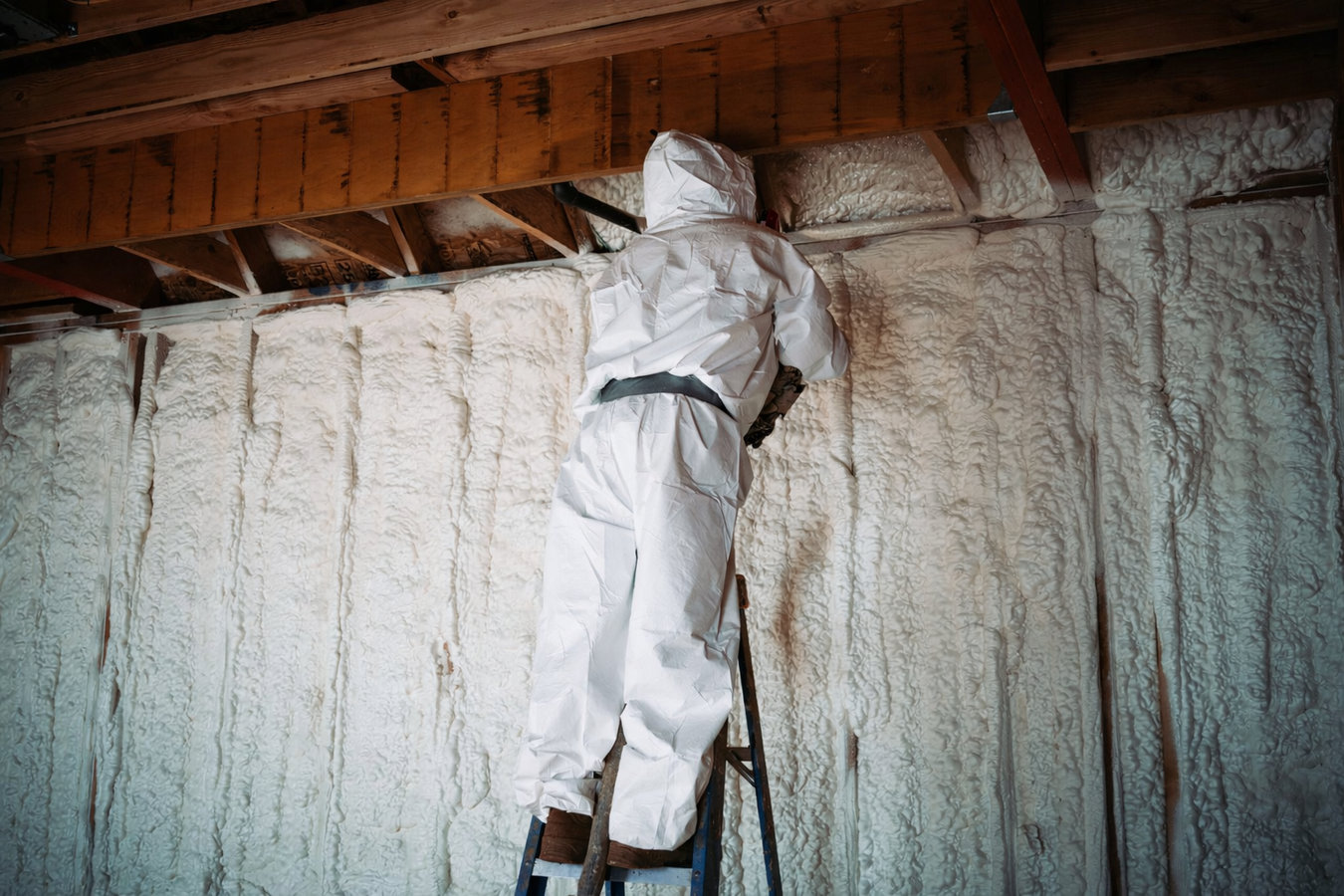
Closed-cell foam handles Columbia's humidity and temperature swings better than most insulation types. One application seals air gaps, adds insulation value, and resists moisture - without absorbing it.
Closed-cell foam insulation in Columbia, MO expands into a rigid, dense layer that seals air gaps and insulates at the same time - most residential jobs, including crawl spaces and rim joists, are completed in one to two days with a 24-hour re-entry window while the foam cures.
Columbia sits in a climate zone that puts real stress on a home's thermal envelope. Summers are hot and humid, with July highs regularly in the low 90s and sustained moisture that finds its way into crawl spaces and basements. Winters drop into the teens. A large share of Columbia's housing stock, particularly in established neighborhoods near the University of Missouri campus, Old Southwest, and Benton-Stephens, was built before modern energy codes, with gaps in the framing that were never sealed.
Closed-cell foam is particularly well-suited for these conditions because it resists moisture vapor rather than absorbing it, making it the right choice for any below-grade or exterior-facing surface. For interior walls and attics where moisture is less of a concern, our spray foam insulation service covers both closed-cell and open-cell options with a recommendation based on where in your home the work is being done.
If your heating and cooling costs have crept up and you have not added appliances or changed your habits, your home's insulation may be failing. Columbia's wide seasonal swings mean your HVAC runs hard for many months each year. A home that is hard to keep comfortable in July or January is often telling you something about the thermal envelope.
Cold air pooling near the floor or coming through wall outlets and baseboards is a sign outside air is getting in. In Columbia's older neighborhoods, homes built before the 1980s often have gaps in the rim joist area - where the floor framing meets the foundation wall - that were never properly sealed. Closed-cell foam addresses those specific gaps directly.
Columbia's humid summers push moisture into crawl spaces and basements. If those areas are not properly sealed, that moisture moves into your living space. A persistent musty smell - even without visible mold - often means moisture is getting in somewhere below the floor. Insulating the crawl space walls or rim joist with closed-cell foam can stop that cycle.
When one part of your home is always too hot or too cold regardless of how hard the HVAC runs, that area likely has inadequate insulation. Attic floors and ceilings of rooms directly under the roof are common weak points in Columbia homes built in the 1960s and 1970s. If you have already had the HVAC serviced and the problem persists, insulation is the next place to look.
Columbia Insulation installs closed-cell spray foam in the areas of your home where moisture resistance and airtight performance matter most. That typically means crawl spaces, basement walls, rim joists, and any exterior-facing surface that faces Columbia's humid summers head-on. Unlike fiberglass batts, which can absorb moisture and provide a surface for mold, closed-cell foam stays rigid and dry - and it does not settle over time.
The thickness of the foam matters. In Missouri's climate zone, crawl spaces and attic-facing surfaces typically need more depth than interior walls because those areas face the biggest temperature and moisture swings. We measure and explain the target thickness before work begins. For homes where the crawl space or attic also needs air sealing work beyond the insulation itself, we offer that as part of the same project. Our open-cell foam insulation service is the right alternative for interior walls and attics where moisture is not the primary concern.
Before we spray, we assess the space. If there is standing water, active moisture intrusion, or structural issues that need attention first, we will tell you. Closed-cell foam seals in problems as effectively as it seals out drafts - so the assessment step is not optional.
Homes with musty odors, high humidity, or moisture intrusion below the floor where fiberglass batts have failed or never existed.
Any home with a basement or crawl space, since the rim joist is one of the most overlooked sources of cold air infiltration and heat loss.
Homes with a history of moisture pressure on foundation walls where rigid foam or batts have not provided adequate moisture resistance.
Attics with gaps around fixtures, plumbing penetrations, or framing that allow conditioned air to escape into the unconditioned attic space above.
Columbia's combination of hot, humid summers and cold winters creates a wide temperature swing that puts real demand on insulation materials. Closed-cell foam handles that range better than most alternatives because it does not lose effectiveness in extreme heat or cold and does not absorb the moisture that Missouri summers push into crawl spaces and basements. The Spray Polyurethane Foam Alliance documents installation standards that reputable contractors follow to ensure performance in climates like mid-Missouri's.
A significant share of Columbia's housing stock was built in the 1950s through 1970s. Homes in neighborhoods like Old Southwest and Benton-Stephens, and the areas surrounding the University of Missouri campus, were constructed before modern insulation standards existed. Many have original crawl spaces that have never been properly sealed and rim joists that allow cold air to pour in during winter. Closed-cell foam is one of the most effective retrofits for these homes because it bonds directly to irregular older framing and fills gaps that were never addressed.
We serve Columbia and surrounding mid-Missouri communities, including Kirksville, Hannibal, and Warrensburg. Many homes in this region share the same mid-century construction characteristics and the same moisture challenges, and we know what to look for.
Call or submit a request online. We respond within 1 business day and schedule an in-home assessment. No cost, no obligation. Tell us which area concerns you - crawl space, rim joist, attic, or basement - and we will come prepared.
A contractor walks through the areas you want insulated, checks for moisture issues or structural problems that need to come first, and measures the space. You leave the visit with a written estimate - not a ballpark, but a quote broken down by area and material.
Before installation day, clear stored items from the crawl space, attic, or basement and make sure the contractor has unobstructed access. Your contractor will give you a specific prep list. This step is usually the most time-consuming thing homeowners do, and it makes installation day go much faster.
The crew arrives with spray equipment and masks off surfaces that should not be coated. The foam expands within seconds and firms up within minutes. Most residential jobs are done in one day. Plan to stay out of the treated area for at least 24 hours while the foam cures, then return to a walkthrough with the contractor.
Free estimate. No pressure. We assess the space, explain what we find, and give you a written quote - you decide what happens next.
(573) 530-1593Closed-cell foam seals problems in as well as it seals drafts out. We check for moisture intrusion, structural issues, and drainage problems before recommending foam for any below-grade space. You get an honest assessment, not a foam application that covers up a problem.
Foam sprayed too thin does not perform. We measure and target the thickness appropriate for each area of your home given Columbia's climate zone demands. Missouri's wide seasonal temperature range means crawl spaces and rim joists require more depth than interior walls, and we do not skip that step to cut installation time.
We have worked on homes in Columbia's older neighborhoods and its newer subdivisions. The pre-1980s framing, irregular joists, and moisture history common in areas near campus and Old Southwest require a different approach than a newer south Columbia home, and we know the difference from working in both.
We follow installation practices aligned with guidance from the U.S. Department of Energy and the EPA's spray foam safety guidelines, which cover off-gassing, re-entry windows, and ventilation requirements. You receive documentation of the work done and the re-entry protocol before we leave the job site.
Closed-cell foam is a long-term investment in your home's performance. When it is installed correctly, it lasts as long as the home. When it is rushed or thin, it does not deliver what it promises. Call (573) 530-1593 or request an estimate and we will walk through your specific spaces before recommending anything.
The EPA's spray polyurethane foam guidance covers off-gassing, re-entry windows, and safety precautions. The U.S. Department of Energy's insulation guide explains how insulation types are evaluated across different climate zones.
Open-cell foam is a lower-cost alternative suited for interior walls and attics where moisture resistance is not the primary concern.
Learn moreGet a full overview of both foam types and how Columbia Insulation selects the right product for each area of your home.
Learn moreColumbia summers start early and crawl spaces fill with moisture fast - book your assessment now before the season gets ahead of you.