
Loading...
Serving Columbia, MO and surrounding areas. (573) 530-1593
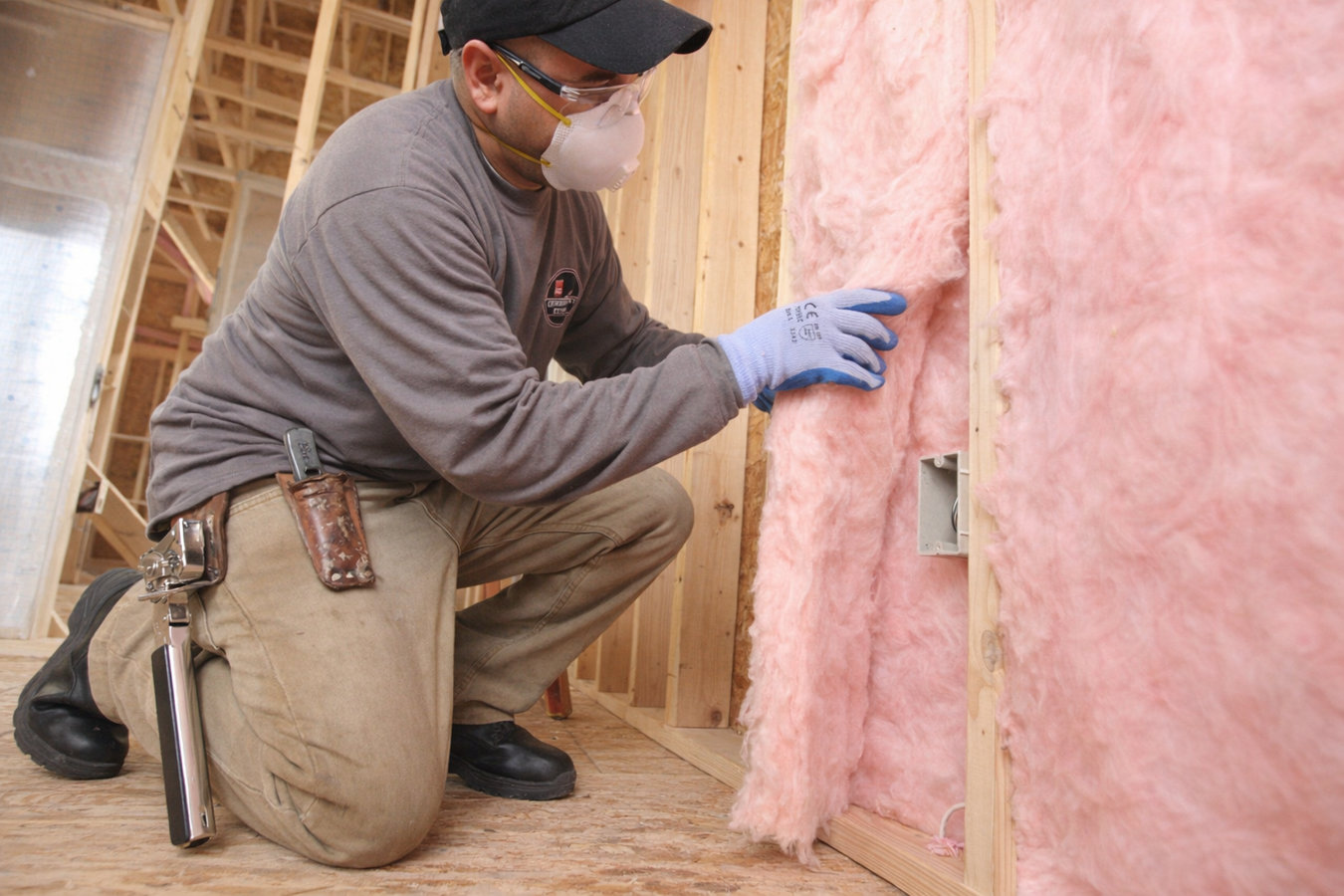
Stop paying to heat and cool a poorly insulated Columbia home. We add insulation to existing attics, walls, and crawl spaces without tearing anything apart.
Retrofit insulation in Columbia means adding insulation to a home that is already built, filling gaps in your attic, walls, and crawl space through small openings rather than major demolition. Most jobs take one to two days and require no renovation work beyond the installation itself.
Columbia has a large inventory of homes built between the 1950s and 1980s in neighborhoods near the University of Missouri campus, Old Southwest, and north Columbia. Homes from that era were built with insulation levels well below what is recommended today, and some have almost nothing in the walls. If your home is more than 30 years old and has never had insulation work done, there is a real chance you are overpaying on your utility bills every month.
For homes where moisture is a concern alongside thermal performance, our home insulation service walks through a full assessment before any material is selected, so the right product ends up in the right location.
If your heating and cooling bills feel high for the size of your home, inadequate insulation is one of the most common causes. Ameren Missouri customers can request a usage comparison through their online account. If your home is using significantly more energy than comparable homes nearby, that is a strong signal something is off with your thermal envelope.
Columbia has a large share of homes from the 1950s through the 1980s across neighborhoods near the university, in north Columbia, and throughout older subdivisions. Homes from that era were built with insulation levels that fall well short of what is recommended today. If no one has ever assessed your attic or walls, there is a real chance you are heating and cooling the outdoors.
If you avoid a bedroom in July because it is always stuffy, or pile on extra blankets in a back room all winter, that is a classic sign of uneven insulation. Heat moves toward cold, so rooms with thin or missing insulation lose warmth faster in winter and absorb it faster in summer. You can feel this problem before it shows up on a bill.
Take a flashlight into your attic. If you can see the wooden beams that form the attic floor without digging through thick material, you almost certainly do not have enough insulation. In Columbia's climate, energy experts recommend a depth that covers those joists completely. Bare or thin coverage means your ceiling is doing almost nothing to slow heat loss in winter.
The two most common approaches for retrofitting an existing home are blown-in loose-fill insulation and spray foam. Blown-in material is pumped in through a hose and settles into place, making it the practical choice for attics and enclosed wall cavities where you need full coverage without demolition. It fills irregular spaces that other methods miss and is cost-effective for large open areas like attics.
Spray foam is used more selectively in retrofit work, for air sealing specific problem spots around pipes, wires, and penetrations, and for crawl spaces where moisture resistance matters alongside thermal performance. Our commercial insulation team applies the same retrofit principles to existing office and retail buildings across Columbia. For homes where the attic has never been addressed, a proper retrofit also includes air sealing before any insulation goes in. Skipping that step is the most common shortcut that leaves homeowners disappointed with their results.
Every retrofit estimate we provide includes a walkthrough of what is currently in place, what we recommend, and why. You will not receive a phone quote without us seeing the home first, because the condition of existing insulation and the presence of any air sealing issues change the scope of every job.
Homes where existing attic insulation is thin, compressed, or absent, needing full coverage without attic floor demolition.
Older homes with empty or under-filled wall cavities where blown-in material is injected through small access holes.
Homes on crawl space foundations where cold floors, humidity issues, or musty odors indicate missing or degraded insulation below.
Homes with existing insulation that just needs the gaps sealed and coverage brought up to current recommended depth.
Columbia sits in a climate zone with genuinely cold winters, average January lows dipping into the mid-teens Fahrenheit, and hot, humid summers where heat index values regularly push past 100 degrees. That wide temperature swing means your insulation is working hard in both directions all year. A poorly insulated home here costs you money every month, not just in one season.
A significant portion of Columbia's housing stock was built before modern energy standards took effect, particularly in neighborhoods near the university and in the older north and south Columbia subdivisions. Those homes were not built to today's standards, and most have never had an insulation assessment. The Benton-Stephens and Old Southwest areas have concentrations of homes from the 1920s through 1950s where the original insulation, if present at all, has been compressing for decades. Retrofit insulation is exactly the solution those homes need, and it does not require a renovation to accomplish. According to the U.S. Department of Energy, properly air sealing and insulating your home can cut heating and cooling costs by 10 to 20 percent or more.
We serve the full mid-Missouri region from our Columbia base, including customers in Sedalia, Rolla, and Jefferson City. Many of the older homes in those communities face the same insulation gaps that Columbia homeowners deal with, and the same retrofit solutions apply.
Call or submit a contact form. We respond within 1 business day to schedule an in-home visit. Be cautious of any contractor who quotes a price over the phone without seeing your home first.
We walk your attic, walls, and crawl space, check what insulation is already in place, and identify any air leaks that should be sealed before new material goes in. This visit takes 30 to 60 minutes.
You receive a written breakdown of the proposed work, materials, and total cost. We note whether materials qualify for federal tax credits or Ameren Missouri rebates so you can plan accordingly.
The crew arrives with truck-mounted blower equipment, air seals gaps first, then brings insulation to the right depth. Most jobs finish in a day. We walk you through the completed work before leaving.
Free written estimate. No pressure, no obligation. We respond within 1 business day.
(573) 530-1593Every retrofit project starts with an in-person walkthrough of your attic, walls, and crawl space. We identify air leaks, check existing insulation depth, and look for moisture issues before recommending any materials. Skipping this step is how homeowners end up sealing problems in rather than out.
Columbia Insulation was founded here and works exclusively in mid-Missouri. We know the housing stock in Columbia's older neighborhoods and the specific challenges that homes from the 1950s through 1980s present. That local knowledge changes the quality of our assessment and our recommendations.
We know which materials and scopes qualify for Ameren Missouri rebates and can flag them during the estimate visit. A contractor who is not familiar with those programs is not fully serving Columbia homeowners. Combined with the federal tax credit, qualifying projects cost significantly less than the initial quote suggests. See the IRS Energy Efficient Home Improvement Credit details at irs.gov for current credit limits.
Every estimate we provide is written and itemized by area and material. Columbia homeowners with multiple quotes to compare can see exactly what each contractor is proposing. No contractor quoting by square footage alone over the phone can tell you whether your specific attic needs air sealing first.
Retrofit insulation is one of the highest-value improvements a Columbia homeowner can make to an older home. We approach every job with the same process: assess what is there, seal the leaks, then insulate. That sequence is what separates work that delivers real savings from work that just adds material on top of existing problems.
Retrofit upgrades are not limited to homes. We insulate existing commercial buildings in Columbia to cut operating costs and improve tenant comfort.
Learn moreGet a complete picture of whole-home insulation options available for Columbia residences, from attic to crawl space.
Learn moreColumbia winters do not wait. Lock in your project now before cold weather fills contractor schedules.