
Loading...
Serving Columbia, MO and surrounding areas. (573) 530-1593
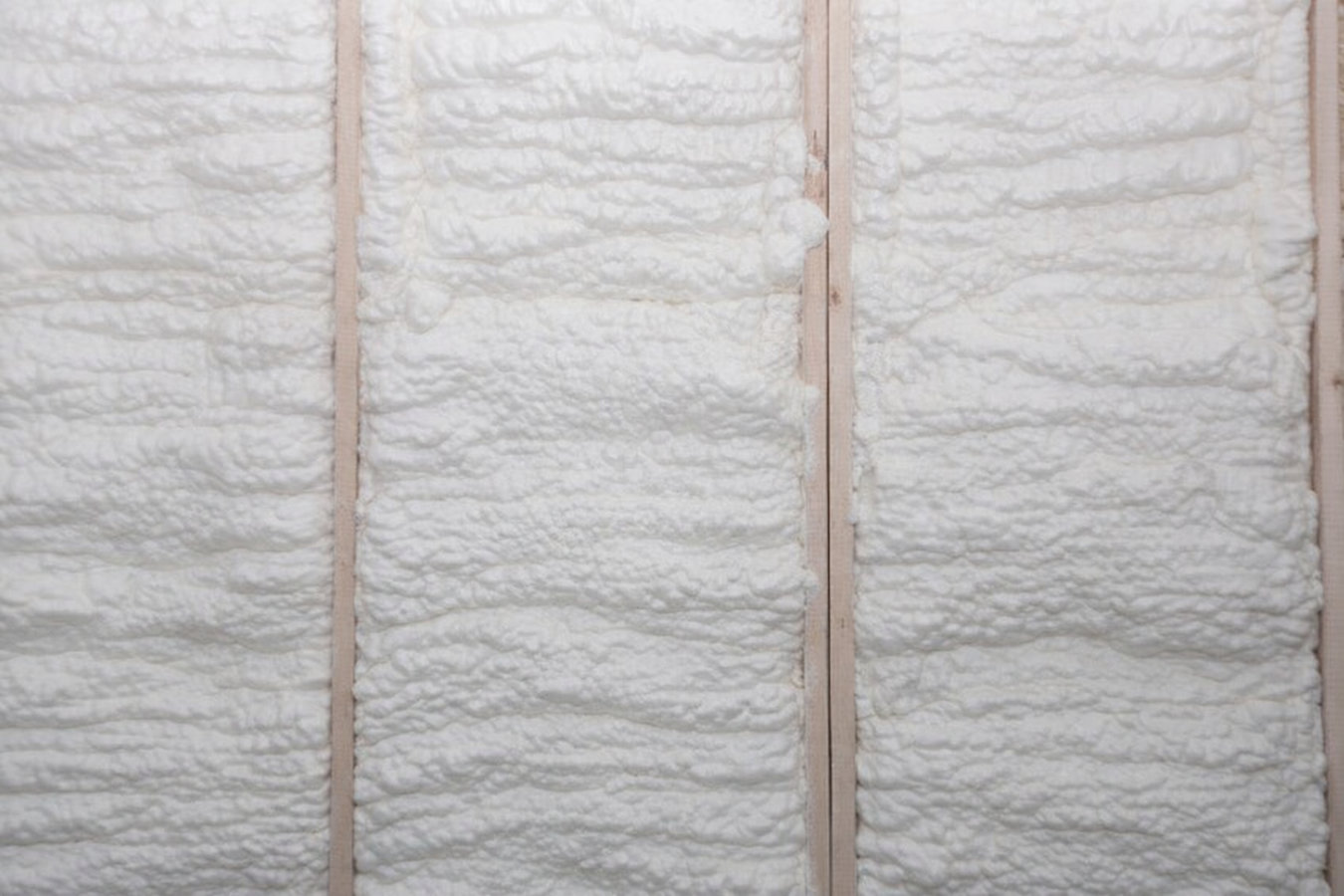
Open-cell spray foam fills every gap fiberglass misses, stopping air leaks in attics, walls, and crawl spaces so Columbia homes stay comfortable year-round.
Open-cell foam insulation in Columbia, MO expands to fill gaps, cracks, and framing voids where fiberglass batts simply sit flat and leave air pathways open. Most attic or crawl space jobs are completed in one to two days, with a 24-hour wait after spraying before the space can be reoccupied.
Columbia's housing stock includes a large share of homes from the 1950s through the 1980s, built before modern air-sealing standards existed. Those homes have gaps around pipes, wiring, and framing that were never addressed because the original builders weren't required to. Open-cell foam is one of the most cost-effective ways to seal those leaks because it handles insulation and air sealing in a single step.
For Columbia homeowners dealing with damp basement walls or moisture-prone crawl spaces, our spray foam insulation service covers both open-cell and closed-cell options depending on where the work is being done and what conditions that space faces.
If your heating costs spike every January and your cooling bill climbs every July, your home is losing conditioned air in both directions. Columbia's climate swings from below-freezing winters to humid 90-degree summers, so an under-insulated home shows up on your utility bill year-round. That pattern is a strong sign of air leakage, not just thin insulation.
Cold air you can feel near electrical outlets, along baseboards, or through gaps around window frames is a visible sign of poor air sealing. In Columbia's older neighborhoods, these gaps formed when the house was built and have widened over decades of settling. Spray foam fills them directly rather than trying to slow air through a fibrous layer.
If your upstairs bedrooms are noticeably hotter in July or colder in January than the rest of the house, the attic above them is likely under-insulated or poorly sealed. Open-cell foam applied at the roofline or attic floor addresses both the thermal barrier and the air movement that drives the temperature difference.
Columbia's high summer humidity pushes moist air into attic spaces through gaps in the ceiling plane. When that air contacts cooler surfaces it condenses, and over time you get staining, soft sheathing, or a persistent musty smell. Open-cell foam installed at the roofline seals those pathways and is one of the most reliable preventive steps available.
Columbia Insulation uses open-cell spray foam for interior attics, wall cavities, and enclosed crawl spaces where the primary goals are thermal performance, air sealing, and sound dampening. Open-cell foam is the more cost-effective choice for most interior applications and performs well in Columbia's mixed climate, handling both the winter heat-loss and summer humidity challenges that affect mid-Missouri homes.
For spaces that face direct moisture exposure, we pair open-cell work with attic air sealing to address the gaps that drive warm, humid air into the attic floor before adding any insulation layer on top. In cases where a vapor barrier is also needed, we can coordinate that with the foam installation in the same visit.
Every installation includes a pre-spray walkthrough to confirm the scope, coverage of all surfaces, and a post-job review so you know exactly what was done before we leave the property.
Homes where thin or settled insulation in the attic is causing temperature swings and high utility bills.
Renovation projects or additions where wall cavities are open and air sealing is a priority alongside thermal performance.
Enclosed crawl spaces without active water intrusion where temperature and air control are the main goals.
Older homes where the rim joist is uninsulated and cold-floor complaints in ground-level rooms are common.
Columbia sits in IECC Climate Zone 4A, a mixed-humid zone that demands insulation work in both directions. January lows regularly hit the teens and July highs reach the low 90s with humidity that makes the heat feel worse and drives moisture into wall and attic cavities. Open-cell foam's ability to seal air pathways is especially valuable here because humid summer air carries moisture with it when it infiltrates the building envelope. Stopping the air movement stops most of the moisture entry.
A significant share of Columbia's housing was built before 1980, concentrated in neighborhoods like Old Southwest, Benton-Stephens, and the areas immediately surrounding the University of Missouri campus. These homes were constructed without the air-sealing requirements that became standard later, which means decades of gaps around pipes, wiring penetrations, and wall-top connections. Columbia's rental housing market, driven largely by the university, adds another dimension: property owners who upgrade insulation in older rental units reduce both tenant complaints and long-term maintenance exposure.
We serve Columbia and the wider mid-Missouri region, including Kirksville, Hannibal, and Wentzville. Many of the homes we work on in those communities share the same construction era and the same air-sealing deficits as Columbia's older housing stock.
We respond within 1 business day and ask a few basic questions about your home and what you're experiencing. No commitment is required at this stage, and you won't be pressured toward a decision before you've had a chance to look at options.
We walk the spaces to be insulated, measure the area, and check for any existing moisture or structural issues that would affect the job. You receive a written estimate that breaks down what will be done and what it will cost before any work is scheduled.
You and your household, including pets, need to be out of the work area for the day and for 24 hours after spraying begins. The crew arrives with a heated spray rig and works through the prepared areas systematically, trimming any excess foam after it cures.
Before leaving, we walk you through the finished work and provide documentation of the materials installed. That paperwork matters if you plan to claim the federal tax credit or any available utility rebate through Columbia Water and Light.
Free estimate, written quote, no obligation. We respond within 1 business day.
(573) 530-1593Every job starts with a direct inspection of the space, not a square-footage guess over the phone. We check for moisture, look at existing insulation conditions, and confirm the right foam type before a single drop is mixed. That step protects you from paying to seal problems in rather than out.
A large share of our work is in homes built between the 1950s and 1980s, the construction era that dominates Columbia's established neighborhoods. We know what those buildings typically have and what they lack, which means fewer surprises and more accurate estimates than contractors who primarily work new construction.
Columbia Insulation has been operating out of Columbia since 2022, building a track record in the same mid-Missouri market where our customers live. We are not a franchise or a regional chain, and the person you talk to on the phone is the same team doing your job.
The federal 25C tax credit covers 30% of qualifying insulation costs up to $1,200 per year. We provide the installation documentation you need to claim that credit and can point you toward Columbia Water and Light rebate programs that may reduce your out-of-pocket cost further.
Spray foam work is difficult to undo once it cures, which is why the assessment step is as important as the installation. We take both seriously, and we do not schedule work until we are confident about what the job requires.
Complement open-cell foam with dedicated attic air sealing to close the gaps that drive heat loss and humidity into your living space.
Learn moreSee our full spray foam offering, including closed-cell applications for moisture-prone areas like crawl spaces and basement rim joists.
Learn moreSpots fill quickly in the spring and fall shoulder seasons. Schedule your assessment now and have your home ready before the next extreme weather arrives.