Loading...
Serving Columbia, MO and surrounding areas. (573) 530-1593
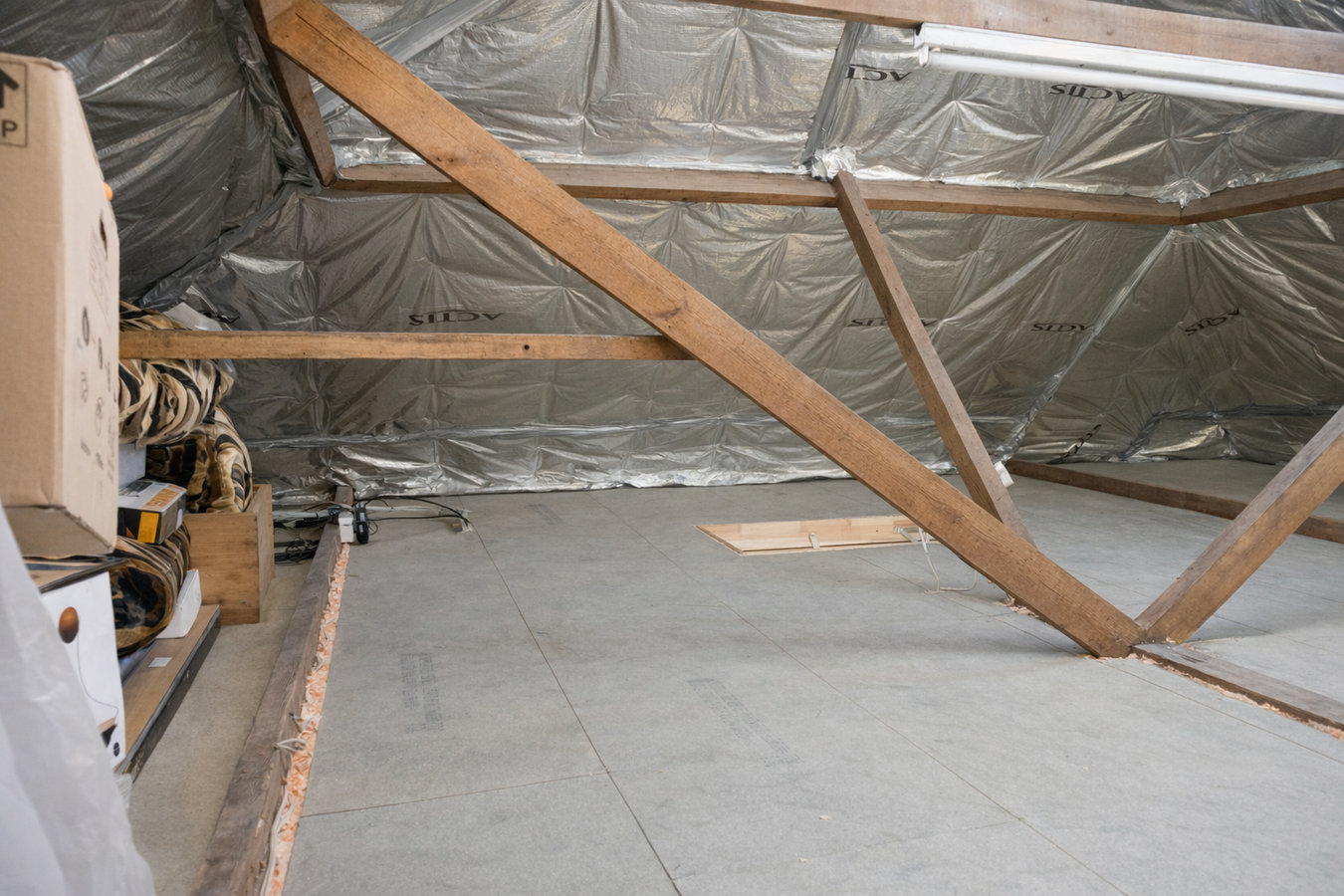
Columbia Insulation brings under-insulated attics up to the levels Missouri's climate demands, so your home holds temperature the way it should, winter and summer.
Attic insulation in Columbia, MO acts as the primary thermal barrier between your living space and the outdoor air. Most attic jobs are completed in a single day, with no curing period required. You can return to a normal routine the same afternoon.
Columbia's climate swings hard in both directions, with July highs in the low 90s and January lows that can drop into the single digits. A large share of the city's housing, particularly in neighborhoods like Old Southwest, Benton-Stephens, and near the University of Missouri campus, was built in the 1950s through 1980s under energy standards far below what is recommended today. If the wooden joists in your attic are visible above the insulation, you almost certainly do not have enough.
Attic insulation works best when combined with proper air sealing. Our attic air sealing service closes the gaps around fixtures, plumbing, and framing before new insulation goes in, which makes every layer of material perform at its full potential.
If your heating bill in January and your cooling bill in July both feel high for the size of your home, your attic is a likely cause. Columbia's climate puts real pressure on homes from both ends, and an under-insulated attic forces your system to run longer to compensate. If you have had the same bills for years and accepted them as normal, it is worth having someone look.
If the bedrooms or rooms directly below the attic are noticeably harder to keep comfortable than the rest of the house, the attic floor is likely not doing its job. Heat accumulates in attics during Columbia's long humid summers and radiates down through an under-insulated ceiling. Rooms that feel stuffy in July or drafty in January despite normal thermostat settings are telling you something.
If you can safely peek into your attic and see the wooden joists poking up above the insulation, you almost certainly do not have enough. The insulation should be deep enough that those boards are buried. If what you see looks compressed, discolored, or like it has not been touched since the house was built, it needs to be assessed.
If your home was built before 1990, especially in Columbia's older neighborhoods like Old Southwest or near the MU campus, the odds are high that what is in the attic falls well short of current recommended levels. Older insulation also settles and compresses over time, losing effectiveness even if it was adequate when installed. A quick attic check gives you a clear picture.
We install blown-in insulation in Columbia attics because it is the right method for most existing homes. Blown-in material fills in around obstructions, reaches tight corners near the eaves, and covers the entire attic floor evenly without leaving gaps the way pre-cut batts tend to. Before any new insulation goes in, we seal air gaps around light fixtures, plumbing penetrations, and anywhere else conditioned air escapes into the attic. Skipping that step is one of the most common ways insulation jobs underperform. Our blown-in insulation service covers the full installation process for homes that want to understand what that looks like.
For attics with damaged, contaminated, or severely degraded insulation, we assess whether removal is necessary before adding new material. Laying new insulation over a wet or pest-damaged base makes the problem worse. When removal is the right call, we handle it and document the completed work for your records, which you will need if you plan to claim the federal tax credit available for insulation upgrades.
Homes with existing attic framing, irregular spaces, or insulation levels below the recommended R-49 to R-60 range for Missouri.
Any home where gaps around fixtures, plumbing, or framing are letting conditioned air escape before insulation can do its job.
Attics with water-damaged, pest-contaminated, or significantly degraded insulation that would compromise new material installed over it.
Homeowners who want an honest measurement of current R-values and a clear recommendation before committing to any work.
Columbia grew rapidly in the mid-20th century, and a significant share of its single-family homes were built in decades when attic insulation requirements were a fraction of today's standards. Many of those homes have never had the attic updated. The Department of Energy recommends an attic R-value of R-49 to R-60 for Missouri's climate zone. Getting there from the original installed level of a 1960s home often requires adding 12 or more inches of new material.
Columbia's humid summers create real moisture risk in attics that are not properly ventilated or air sealed. Moisture in insulation reduces how well it works and can lead to mold on wood framing over time. Before we add any new insulation, we check ventilation and look for signs of moisture, because adding material on top of a damp attic makes the problem worse, not better.
We serve Columbia and the surrounding region, including homeowners in Moberly, Mexico, and Hannibal. Whether your home is a brick ranch near campus or a newer subdivision on the south side of town, the attic assessment process is the same: measure what is there, look for problems, and give you a straight recommendation.
We ask a few basic questions about your home's age and what you have been noticing, then schedule an in-home assessment. We respond within 1 business day. You do not need to know what is in your attic already.
Someone from our team actually goes into the attic, measures current insulation depth, checks for air leaks and moisture, and assesses ventilation. The visit takes 30 to 60 minutes and results in a written estimate explaining what we found and what we recommend.
Clear a path to the attic hatch and move stored items out beforehand. You do not need to leave your home. Our crew sets up blowing equipment, seals air gaps first, then fills the attic to the target depth across the entire floor.
The job typically takes two to six hours for a standard home. There is no curing wait, so the house is fully usable when we leave. We provide documentation of the type and depth installed, which you will need to claim the available federal tax credit.
We respond within 1 business day. There is no obligation after the estimate. After you submit, someone from our office will call to schedule a free on-site assessment where we measure your current insulation, check for moisture, and give you a written quote.
(573) 530-1593A real assessment means going into the space, measuring current insulation depth, checking for moisture and ventilation issues, and finding air leaks. We do not estimate from the hatch or quote based on square footage alone.
As of 2024, the federal government offers a tax credit covering up to 30 percent of your insulation project cost, capped at $1,200 per year under the Inflation Reduction Act. We provide the documentation you need to claim it. Ask us before we start so we can confirm eligibility for your materials.
We handle any permits required by the City of Columbia Building and Site Development Division and coordinate the inspections that go with them. You get a clear record of what we installed and where, so nothing about the job is a mystery later.
We measure what is there, explain what we found in plain terms, and give you a written quote. If you want time to compare other estimates, take it. We follow installation standards set by the North American Insulation Manufacturers Association (NAIMA) and are happy to explain our recommendations.
An attic insulation job done right is one of the most cost-effective upgrades you can make to an older Columbia home. It costs less than replacing windows or upgrading an HVAC system, and the impact on year-round comfort is often the largest single improvement a homeowner notices. Call us or request a free estimate online and we will schedule an assessment within the week.
For additional guidance on insulation standards, see the ENERGY STAR insulation guidance, the U.S. Department of Energy R-value recommendations, and the North American Insulation Manufacturers Association.
Blown-in insulation is the method we use most often in Columbia attics because it reaches corners and cavities that batts leave exposed.
Learn moreAir sealing closes the gaps around fixtures and framing before new insulation goes in, which makes any attic upgrade perform at its full potential.
Learn moreColumbia Insulation is scheduling free on-site assessments now. Call or submit a form and we will have someone at your home within the week.