
Loading...
Serving Columbia, MO and surrounding areas. (573) 530-1593
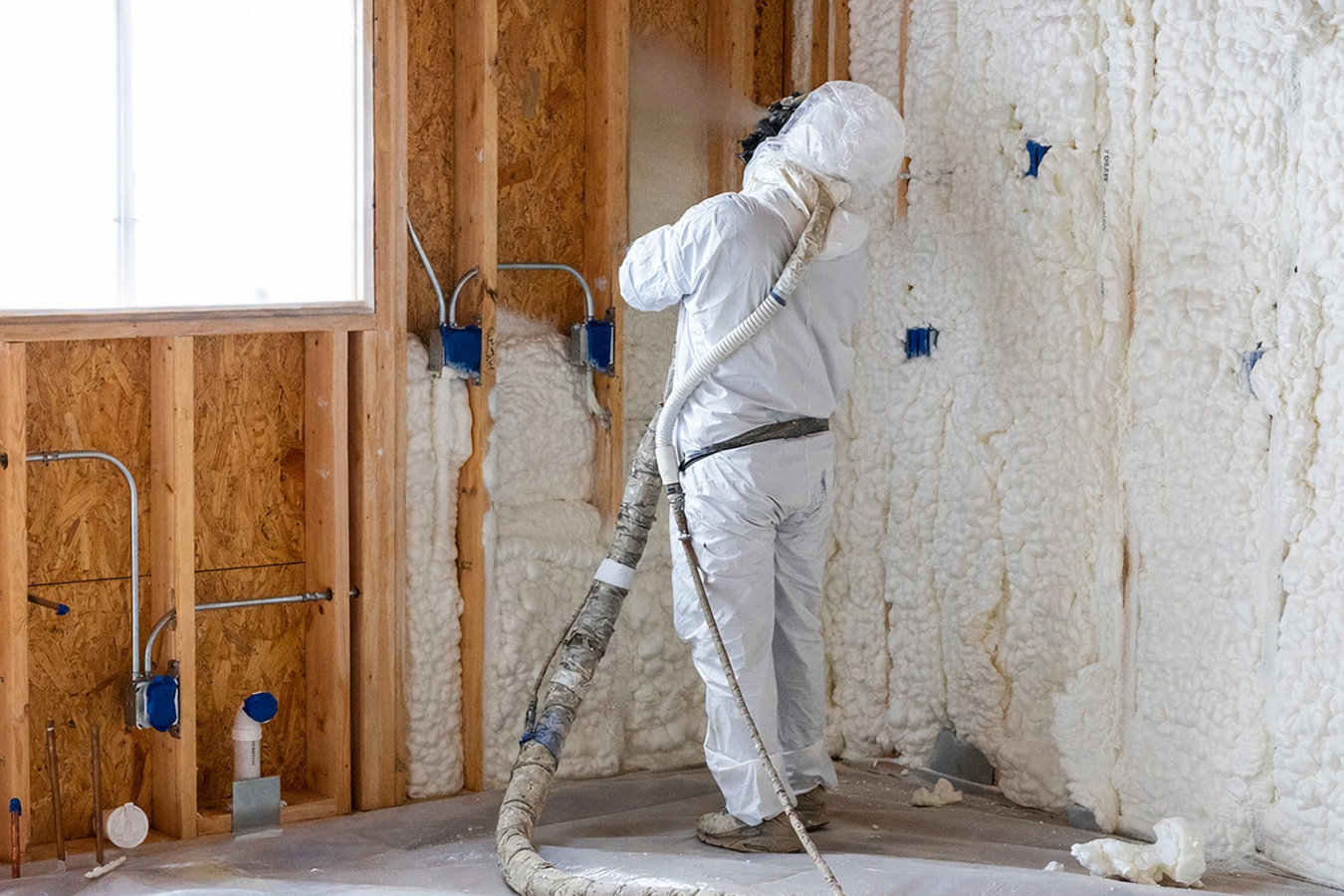
Columbia Insulation installs spray foam that seals the air leaks older homes miss. Stop paying to heat and cool air that escapes through your attic, crawl space, or walls.
Spray foam insulation in Columbia, MO seals air and insulates in a single step, filling the gaps that fiberglass and blown-in materials leave behind. Most attic or crawl space jobs are completed in one to two days, with a 24-hour re-entry wait while the foam cures.
Columbia sits in a climate zone that demands real insulation performance. Winters drop into the teens and summers push into the 90s with high humidity. The older neighborhoods near the University of Missouri campus, Old Southwest, and Benton-Stephens have a large share of homes built before modern energy codes, where the original insulation is settling or was never adequate to begin with.
Spray foam is especially well-suited for these situations because it bonds directly to surfaces and fills irregular gaps that batting and loose-fill miss. For homes where moisture is a concern, our closed-cell foam insulation service adds a moisture barrier in the same application.
If your heating bill in January and your cooling bill in July both feel high for the size of your home, poor insulation is one of the most common explanations. Columbia's climate puts real demand on heating and cooling in both seasons. Any gaps or thin spots in your current insulation show up as high utility bills year-round, not just one season.
Drafts you can feel with your hand are a sign that outside air is getting in through gaps in the building envelope. In Columbia's older neighborhoods, homes often have small but numerous air leaks around electrical boxes, plumbing penetrations, and where walls meet the floor. Spray foam seals those gaps rather than just slowing heat transfer.
Missouri's humidity finds its way into crawl spaces and basements. A musty smell, visible condensation, or soft spots in the floor above a crawl space are signs that moisture is getting in. Spray foam applied to crawl space walls and rim joists can reduce moisture intrusion, but only after any active water problems are addressed first.
If one part of your home is consistently too hot in summer or too cold in winter no matter how hard the HVAC runs, inadequate insulation in the attic or above that space is the likely cause. In Columbia's summers, an under-insulated attic can make the top floor feel like a different climate. This is one of the most reliably solved problems after a proper spray foam installation.
Columbia Insulation installs both open-cell and closed-cell spray foam depending on where in your home the work is being done and what conditions that area faces. Open-cell foam is the right choice for interior walls and attics where sound dampening and cost-efficiency matter. It fills irregular spaces completely and provides strong thermal performance for enclosed areas.
Closed-cell foam is denser and moisture-resistant, making it the better option for crawl spaces, basements, rim joists, and exterior-facing surfaces. In Columbia's humid climate, using the correct type in each location is the difference between a job that performs and one that traps moisture over time. Our attic insulation service often incorporates spray foam for air sealing before the main insulation layer goes in.
For homes with existing moisture problems, we combine foam installation with a moisture assessment so you are not sealing problems in rather than out. Every job includes a walkthrough of the finished work before we leave.
Interior walls, attics, and spaces where sound dampening and thermal performance are the primary goals.
Crawl spaces, basements, rim joists, and any area where moisture resistance and structural rigidity are needed.
Homes where gaps around fixtures, plumbing, and framing are letting conditioned air escape through the ceiling.
Homes with humidity issues, musty odors, or soft flooring above a vented crawl space.
Columbia sits in a climate that demands insulation performance year-round. Average January lows dip into the mid-teens Fahrenheit and July highs regularly hit the low 90s with significant humidity. A large share of Columbia's housing stock was built in the 1950s through 1980s, when energy codes were far less demanding than today. If your home is more than 30 years old and has never had insulation work done, there is a reasonable chance it is underperforming.
Missouri's humidity creates a particular concern in crawl spaces and basements. Choosing the wrong insulation type for a damp area, or installing foam over an existing moisture problem, turns an insulation job into a mold problem. That is why we assess before we install, not after.
We serve Columbia and the surrounding mid-Missouri region, including Jefferson City, Fulton, and Moberly. Most of our work is in homes that reflect Columbia's older housing stock, and we know what those buildings need.
Call or submit a contact form. We respond within 1 business day and schedule an in-home assessment. You do not need to have all the answers ready, just describe what you are noticing.
We walk through the areas you want insulated, assess what is there now, check for moisture or structural issues, and give you a written estimate that breaks down cost by area.
You and your family, including pets, will need to be out of the home on installation day. The crew wears full protective gear and works methodically to ensure even coverage throughout the space.
The foam cures in about 24 hours. When you return, the work should be hard, odorless, and fully set. We walk you through the finished result before considering the job complete.
We respond within 1 business day. There is no obligation to move forward after the estimate. After you submit, someone from our office will call to schedule a free on-site visit where we walk your attic, crawl space, or walls and give you a written quote.
(573) 530-1593Every spray foam job starts with a free written estimate and ends with a clear record of what we installed. You know the scope and price up front, with no surprises when the work is done.
We are a local business, not a national franchise. We know Columbia's older housing stock, the humidity conditions in Missouri's crawl spaces, and the permit requirements at the City of Columbia Building and Site Development office.
Open-cell and closed-cell foam are not interchangeable. We assess before we recommend, and we explain our reasoning in plain terms, not jargon. We are affiliated with the Spray Polyurethane Foam Alliance, which sets the industry training and installation standards we follow.
You will receive a written quote that breaks down the cost by area before we schedule installation. No surprises on the bill. No pressure to decide the same day.
Spray foam is a permanent material. Once it bonds to a surface, it is essentially impossible to remove without damaging what it is attached to. That is why the quality of the crew, the care they take during installation, and their willingness to walk you through the finished work matters more than the lowest estimate. Call us or request a free estimate online.
Spray foam pairs well with a full attic insulation upgrade, bringing your attic floor to the R-value Columbia's climate demands.
Learn moreLearn more about closed-cell foam specifically, including where it outperforms open-cell in moisture-prone areas of your home.
Learn moreColumbia Insulation is booking projects now. Call or submit a form and we will schedule your free on-site assessment within 1 business day.