
Loading...
Serving Columbia, MO and surrounding areas. (573) 530-1593
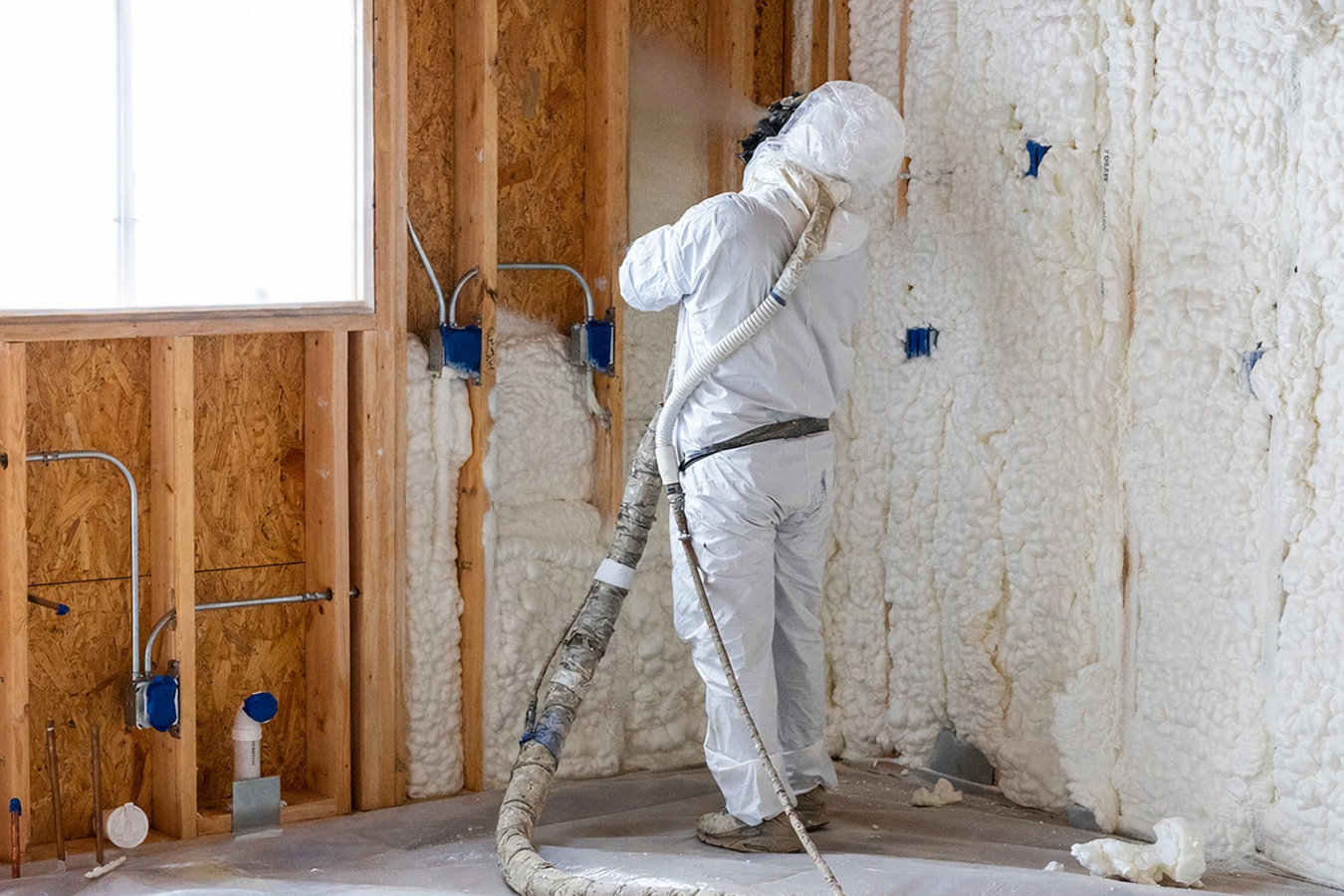
Columbia Insulation provides spray foam, attic, and crawl space insulation to Columbia homeowners. Locally owned, with free estimates and typically responding within one business day of your first call.
Columbia homes built in the 1950s through 1980s were constructed to energy standards that no longer hold up to Missouri's climate swings. Spray foam seals the air gaps in older walls, attics, and crawl spaces that let conditioned air escape all year long. Learn more about spray foam insulation in Columbia and how it performs in this climate.
Columbia's hot summers push attic temperatures high enough to drive up cooling bills significantly, and the cold winters mean any heat that escapes through the attic floor is money wasted. Many homes in neighborhoods like Benton-Stephens and Old Southwest still have original attic insulation that has settled and lost most of its effectiveness. Bringing the attic up to current R-value standards is one of the most cost-effective upgrades a Columbia homeowner can make.
Columbia's clay-heavy soil and humid springs push moisture into crawl spaces under many of the city's older homes. An uninsulated crawl space lets cold air and damp ground contact migrate directly into your floors and framing. Proper crawl space insulation, paired with vapor control, keeps floors warmer and cuts the humidity that can lead to mold and wood rot over time.
Blown-in cellulose or fiberglass is a practical option for Columbia homeowners who want to add insulation to an existing attic without a full retrofit. It covers large areas quickly, fills around obstructions, and performs well in Missouri's temperature range. It is a good fit for homes where the attic floor is accessible and the goal is straightforward R-value improvement.
Insulation alone does not stop air from moving through gaps around plumbing penetrations, electrical boxes, and attic hatches. Columbia's older housing stock tends to have more of these leaks than newer homes. Air sealing before or alongside insulation installation makes a measurable difference in how much conditioned air actually stays inside the building.
Columbia's freeze-thaw winters and clay soils put pressure on basement walls and create cold, damp conditions that are uncomfortable and inefficient. Insulating basement walls and rim joists keeps the lowest level of the house warmer, reduces the load on your heating system, and helps control moisture before it becomes a problem.
Columbia sits in a genuine four-season climate. January lows regularly dip into the teens, and July highs push into the low 90s with real humidity. That range means your home's insulation is working hard in both directions for eight or nine months out of the year. Any gap in coverage shows up as higher utility bills in summer and winter alike, not just one season.
A large share of Columbia's housing was built in the 1950s through 1970s, well before modern energy codes were adopted. Homes in neighborhoods like Old Southwest and Benton-Stephens near the University of Missouri campus often have original insulation that has settled, degraded, or was never adequate to begin with. The rental market near campus also means many homes that changed hands repeatedly have had deferred maintenance, including insulation that was never updated.
Missouri's humidity is a real variable in choosing materials. Open-cell foam absorbs moisture and is not the right choice for crawl spaces or basements in this climate. Closed-cell foam creates a moisture barrier and is the better fit for those spaces, a distinction any experienced insulation company accounts for in the assessment. Columbia's clay-heavy soil also expands and contracts with rain and drought cycles, which puts ongoing pressure on foundations and basement walls - another reason why moisture management belongs in any serious insulation plan here.
Columbia Insulation has served Columbia and the surrounding mid-Missouri area since 2022, pulling permits through the City of Columbia Building and Site Development Division and working on everything from Craftsman bungalows near the Mizzou campus to vinyl-sided colonials in south Columbia subdivisions like Old Hawthorne and Thornbrook.
Columbia is a city where housing age and type vary dramatically by neighborhood. The homes near the University of Missouri and The District downtown tend to be older with original construction details that require different approaches than the newer builds east of Stephens Lake Park. We know which neighborhoods have a high density of rental conversions and which ones have seen steady owner investment, and we adjust our assessment accordingly rather than giving every house the same one-size recommendation.
We also serve homeowners in Fulton and other communities throughout the mid-Missouri corridor. If your property sits between Columbia and a nearby town, we can schedule your assessment alongside other jobs in the area and keep travel costs from affecting your estimate.
Contact us by phone or through our estimate form. We reply within one business day to schedule your on-site walkthrough at no charge.
We walk your attic, crawl space, or other areas of concern and assess existing conditions before recommending materials or giving you a price. You receive a written estimate that explains what will be done and why - no surprises later.
Our crew arrives on the scheduled day with all materials and equipment. Most Columbia attic and crawl space jobs are completed in a single day. For spray foam projects, you will need to be out of the home for 24 hours after application.
After the work is done, we walk you through what was installed and confirm that any required permits with the City of Columbia are closed out. You leave with a clear record of what was done and when.
We serve all Columbia neighborhoods - from the older homes near campus to the newer subdivisions south of town. No charge for the estimate, and we reply within one business day.
(573) 530-1593Columbia is the largest city in mid-Missouri and home to the University of Missouri, which enrolls around 30,000 students and anchors the center of the city. With a total population of about 130,000, Columbia is a genuine regional hub for healthcare, retail, and services for communities throughout a wide area. It sits almost exactly halfway between Kansas City and St. Louis on I-70, which gives it a character that is both a college town and a working mid-Missouri city.
Columbia's neighborhoods vary widely. The Benton-Stephens and Old Southwest neighborhoods near campus have concentrations of Craftsman bungalows and foursquares built between 1910 and 1950 - homes known for character but often in need of modern energy upgrades. South Columbia, around neighborhoods like Old Hawthorne, has seen heavy residential development since the late 1990s. Downtown Columbia and The District area along 9th Street are a mix of commercial and residential properties, with many older buildings above retail storefronts.
The city's rental market is notably high, with roughly half of all housing units renter-occupied, driven largely by the university. That means a large share of Columbia's housing stock has seen deferred maintenance over the years - and many homeowners who have recently purchased former rentals are discovering that insulation, air sealing, and moisture control were never addressed. We also serve nearby Jefferson City homeowners who need the same services for older Capitol-area homes.
High-performance foam that seals and insulates in a single application.
Learn moreDense, moisture-resistant foam ideal for walls, roofs, and crawl spaces.
Learn moreBlock ground moisture from entering your home through the crawl space.
Learn moreProfessional vapor barrier installation to control moisture in any space.
Learn moreCommercial-grade insulation for offices, warehouses, and retail spaces.
Learn moreServing these cities and communities.
From older homes near Mizzou to newer builds in south Columbia, we handle every insulation job with the same free estimate and written proposal. The sooner we assess your home, the sooner you start seeing lower utility bills.