
Loading...
Serving Columbia, MO and surrounding areas. (573) 530-1593
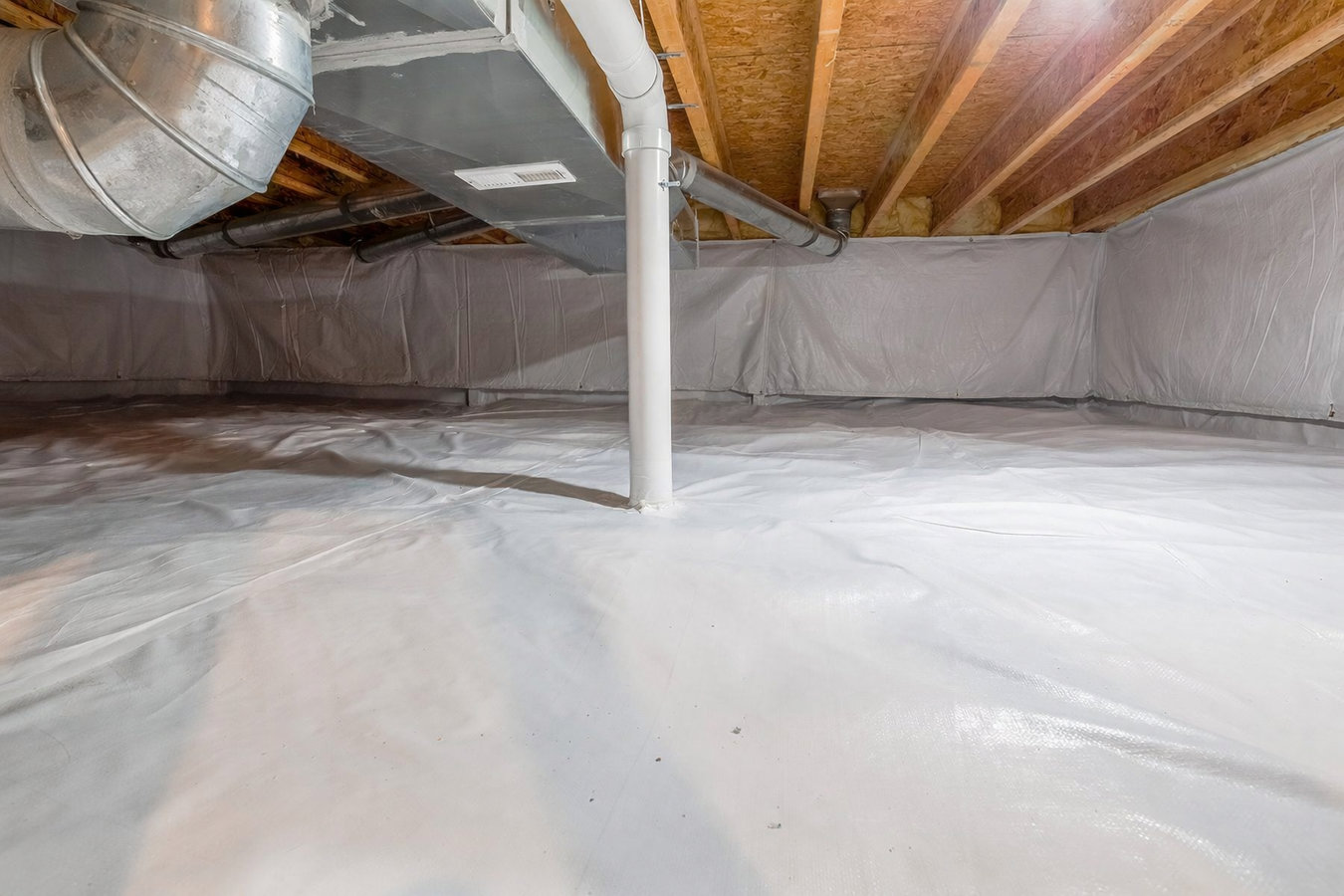
Columbia Insulation installs vapor barriers that stop ground moisture from reaching your floor joists, framing, and living spaces. Free on-site estimates, no pressure.
Vapor barrier installation in Columbia, MO places a physical barrier between damp soil or concrete and the living space above, blocking moisture from the ground before it reaches floor joists, subfloor wood, or basement walls. Most crawl space jobs take one to two days, and the crew works entirely under your home so your routine is not disrupted.
Columbia sits in a mixed-humid climate zone where the ground stays wet for much of the year. Summers bring high humidity that evaporates moisture upward through bare crawl space floors, and winters bring freeze-thaw cycles that shift clay-heavy Boone County soil and can open new pathways for water. A vapor barrier is the first line of defense against this cycle, and the U.S. Department of Energy identifies it as one of the most cost-effective home improvements available in this climate zone.
For homes that need both moisture protection and thermal performance, we pair vapor barrier work with a full crawl space vapor barrier installation or combine it with insulation upgrades in the same project visit.
A slight bounce or give when you walk across certain areas of your floor, especially near exterior walls, often means moisture has been working on the wood underneath for some time. In Columbia's older neighborhoods, where subfloor wood may already be aging, this is one of the most common early warnings homeowners notice before they ever look under the house.
A persistent earthy odor that gets stronger after Columbia's spring rains or during humid summer months is a classic sign of moisture in the crawl space. That smell is mold or mildew growing on damp wood or soil, traveling up through gaps in the floor into your living areas. If the smell keeps returning after cleaning, the source is almost certainly below your feet.
Water droplets on pipes, metal ductwork, or the underside of your floor when you look into the crawl space mean the air below your home is saturated with moisture. This is especially common in Columbia during the summer, when warm humid air meets cooler underground surfaces. Left alone, that condensation accelerates rust, rot, and mold growth.
When a crawl space has no moisture barrier, your heating and cooling system works harder to maintain comfortable humidity levels inside the home. If energy bills have crept up over the years and you cannot point to a clear cause, excess crawl space moisture is worth investigating. This is a particularly common complaint in Columbia homes built in the 1960s through 1980s.
Columbia Insulation installs vapor barriers in crawl spaces, basements, and other below-grade areas using heavy-duty polyethylene sheeting specified for the conditions in each location. We cover the entire floor surface with no gaps, overlap seams and tape them closed, and fasten the material up the foundation walls so moisture cannot sneak in around the perimeter. A barrier with open seams or loose edges will still let significant moisture through in Columbia's clay soil conditions.
For homes where the crawl space also needs thermal protection, we combine the vapor barrier with crawl space vapor barrier work and, where appropriate, a full insulation upgrade on the walls and floor joists. For homeowners planning broader home improvements, vapor barrier installation pairs naturally with a retrofit insulation project that addresses the walls and attic in the same scope. Every job starts with a physical inspection of the crawl space so you know exactly what we are installing and why before work begins.
The Building Science Corporation identifies proper crawl space moisture control, including quality vapor barrier installation, as one of the highest-impact improvements for homes in mixed-humid climates. Columbia sits in exactly that climate zone.
Homes with bare dirt crawl space floors that have no current moisture protection or degraded plastic from a previous installation.
Homes with unfinished basements or basement walls that show signs of moisture, condensation, or staining.
Homes in low-lying areas, near creek corridors, or with a history of elevated groundwater after spring storms.
Homes that need both moisture protection and improved thermal performance addressed in a single project.
Columbia averages around 40 inches of rainfall per year, with a pronounced spike in spring. Heavy April and May storms can temporarily raise the water table and push moisture into crawl spaces that seemed dry all winter. Boone County's clay-heavy soil absorbs that rain slowly and releases it even more slowly, which means the ground under your crawl space stays wet for days after a storm, keeping upward moisture pressure elevated long after the weather clears.
A significant portion of Columbia's residential neighborhoods, particularly those near downtown, the University of Missouri campus, and older subdivisions built before the 1980s, were built when crawl space moisture control was minimal or nonexistent. Many of these homes have no vapor barrier, or one that has degraded over decades. If your home was built before 1990 and has never had a crawl space inspection, there is a reasonable chance whatever was originally installed is no longer doing its job. Scheduling an installation in late winter or early spring, before the heavy rains arrive, gives your home the best protection heading into Columbia's most challenging moisture months.
We serve Columbia and the surrounding region. Homeowners in Rolla, Warrensburg, and Mexico face similar clay soil and seasonal moisture conditions, and we apply the same installation standards across all locations.
Call or submit a contact form and we respond within 1 business day. We ask a few questions about your home, describe what you have noticed, and schedule a free on-site estimate. You do not need to have technical answers before this call.
We physically inspect the crawl space before giving you a price. We look at the size, existing moisture conditions, any old barrier material, and how accessible the area is. You get a clear explanation of what we found and a written quote that specifies the mil thickness of the material being installed.
The crew removes any old or damaged material and cleans up debris from the ground surface. They then lay the new barrier across the entire floor, overlap and tape seams, and run the material up the foundation walls. For a typical Columbia home, this takes most of one day.
We walk you through the finished work, share photos taken during installation, and note anything else we observed under the house. We tell you how often to have the crawl space checked, typically every two to three years or after any significant flooding in your area.
Free estimate. No pressure. We respond within 1 business day.
(573) 530-1593We physically look at every crawl space before giving a price. If there is standing water, existing mold, or damaged insulation, we tell you, because installing a barrier over an existing problem traps damage rather than preventing it.
We serve 12 communities from Columbia to Jefferson City to Hannibal. Whether you own one home or manage rental properties near the University of Missouri campus, we can handle moisture work across multiple locations.
Every written quote from us specifies the mil thickness of the vapor barrier being installed. Thicker material lasts longer under Columbia's sustained moisture pressure, and you deserve to know exactly what you are paying for before work begins.
We work on mid-Missouri homes every day and document the vapor barrier we install, so you have a clear record. When something comes up after the job, we are local and reachable.
We photograph the finished crawl space and walk you through the work before we leave. A properly installed barrier should look as complete to you as it does to us, and we are not done until it does.
Pair your new vapor barrier with a retrofit insulation upgrade for walls or attic spaces in existing Columbia homes.
Learn moreLearn more about the crawl space-specific vapor barrier process, including how we handle Boone County soil conditions and older housing stock.
Learn moreSpring is Columbia's wettest season and it arrives fast. Get your crawl space protected before the rains arrive and moisture starts working on your floors and framing. Call or request a free estimate now.