
Loading...
Serving Columbia, MO and surrounding areas. (573) 530-1593
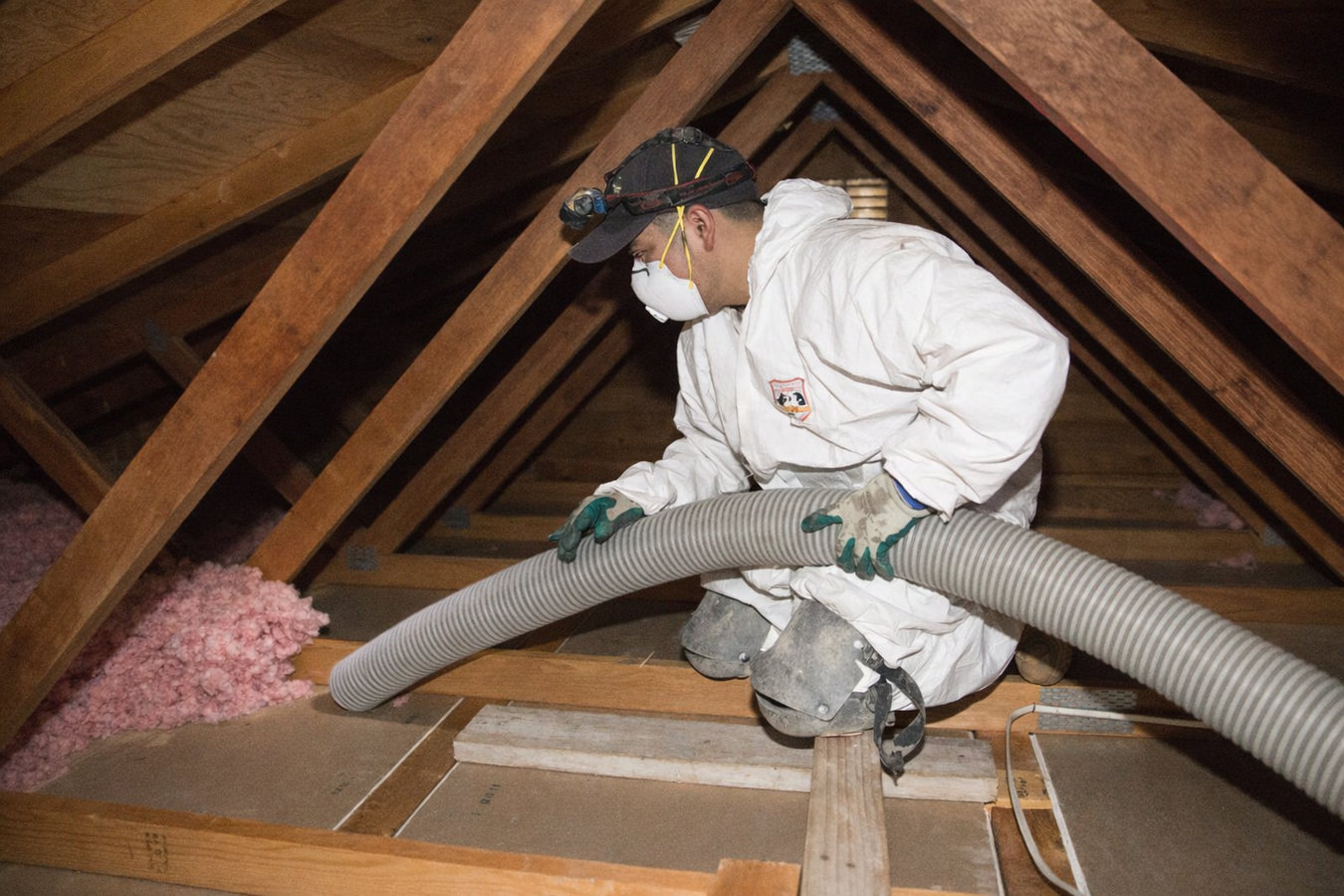
Old, damaged, or contaminated insulation cannot be fixed by covering it up. We remove it completely, haul it away, and leave your attic or crawl space ready for new material.
Insulation removal in Columbia, MO means physically pulling out the old material, bagging it, and hauling it away, leaving the space clean and ready for a proper reinstallation. Most attic removal jobs are completed in four to eight hours, with new insulation scheduled as a separate appointment within a few days.
Adding new insulation over old only works when the existing material is dry, intact, and not contaminated. In Columbia, where the housing stock includes a large number of homes from the 1950s through the 1980s, that is often not the case. Moisture from Missouri's humid summers, rodent activity in attics near older neighborhoods, and decades of temperature cycling can all leave insulation compressed, wet, or fouled to the point where layering over it makes things worse.
Once the old material is out, we leave you with a clean surface ready for whatever comes next. Our retrofit insulation service is the natural follow-up for most Columbia homeowners who want to bring their home up to current performance standards after a removal.
A musty odor often means moisture has gotten into the insulation and mold has started to grow. A sharp ammonia smell, or something that smells like an animal, usually points to rodent activity. Both are common in Columbia's older neighborhoods, particularly around the Benton-Stephens and Old Southwest areas, and both mean the insulation needs to come out rather than be covered over.
Homes in Columbia's established neighborhoods near the university and older parts of the city were often built with insulation that is now 40 to 60 years old. Insulation that old has almost certainly compressed significantly, and it may contain materials no longer considered safe. If you do not know what is in your attic, having it inspected is the right first step before adding anything new.
Wet insulation does not dry out and return to normal. It stays compressed and can grow mold for years without visible signs from below. If water got into your attic or crawl space at any point, even a roof leak years ago, the insulation in that area likely needs to come out. A contractor can confirm this quickly with a visual inspection.
If you have heard scratching in the ceiling or found droppings in the attic, there is a good chance rodents have nested in the insulation. Rodent-contaminated insulation poses a health risk and must be removed, not left in place. Removal, cleaning, and fresh installation is the correct sequence once the entry points have been sealed.
Columbia Insulation handles removal from attics, crawl spaces, and wall cavities. For loose-fill insulation, we use an industrial vacuum system run from a truck outside, feeding a hose directly into the attic without carrying bags through your living space. Batt-style insulation is hand-removed and bagged. Either way, we lay down protective coverings before we start and haul everything away when we finish.
For older Columbia homes where contamination is a possibility, we assess before we quote. If your home was built before the mid-1980s, we recommend a material test for potentially hazardous substances before any removal begins. Missouri requires licensed contractors for certain types of hazardous material removal, and we are transparent about what your specific job requires before any work starts. The crawl space insulation service is a common next step for homeowners whose crawl space material is part of the removal scope.
We provide written documentation of how old material was disposed of. Missouri has specific rules about contaminated insulation disposal, and a contractor who cannot confirm proper disposal in writing is leaving you exposed. Every job includes a final walkthrough so you can confirm the space is clean before new material goes in.
Homes with old, compressed, wet, or rodent-contaminated material in the attic that needs to come out before fresh insulation can perform properly.
Homes where moisture damage, mold, or pest activity has compromised the existing crawl space insulation and a clean reinstall is the only sensible path forward.
Older Columbia homes where rodent nesting, mold, or potentially hazardous materials require careful removal with appropriate protective measures and documented disposal.
Homeowners planning a renovation or addition who need the existing insulation cleared out of an attic or wall cavity before new work begins.
Columbia has a substantial number of homes built between the 1940s and the early 1980s, particularly in neighborhoods like Old Southwest, Benton-Stephens, and the areas surrounding the University of Missouri campus. Those homes were insulated with whatever materials were common at the time, many of which have now degraded, compressed, or in some cases contain substances that were later found to be harmful. If your home falls in that age range and the insulation has never been inspected or replaced, the odds that removal is the right call are meaningful.
Missouri's humid continental climate adds another layer of risk. Columbia's summers bring heat and high humidity that can work their way into attic spaces, particularly in homes with inadequate ventilation. Wet insulation loses most of its performance value and becomes a surface for mold growth. The musty smell that Columbia homeowners sometimes notice on a hot July day is often the first indication that this process is already underway.
We work throughout Columbia and the surrounding region. Homeowners in Fulton, Moberly, and Jefferson City face similar housing ages and climate conditions, and we handle removal in those areas as well. For information on testing requirements for older homes, the U.S. EPA's asbestos resources are a useful starting point.
We respond within 1 business day. Be ready to describe what you know, including your home's age, any smells or moisture issues, and any pest problems. The more context you give, the more accurate our estimate will be.
A contractor visits your home and physically looks at the attic or crawl space before quoting. We check the insulation type, contamination, moisture, and whether any hazardous materials testing is needed before work begins.
You receive a written estimate spelling out what will be removed, how it will be disposed of, and what the total cost covers. If any special licensing or testing applies to your job, we explain that upfront, not after the fact.
The crew lays down floor protection, runs the industrial vacuum from outside, and removes all material before leaving. Before packing up, we walk you through the cleared space so you can confirm it is clean and ready for new insulation.
We inspect your attic or crawl space in person before quoting anything. No guesswork, no surprises on the day of the job.
(573) 530-1593Every removal estimate starts with a physical inspection of the space. We do not quote over the phone for this type of work because what we find up there determines the scope. You know exactly what is involved and what it costs before anyone picks up a tool.
Missouri has specific rules about how contaminated insulation must be handled and where it can go. We provide written confirmation of disposal method and destination on every job. That documentation matters if you ever sell your home or face questions about what was in your attic.
Columbia's pre-1985 housing stock has a real chance of containing older insulation materials that require careful handling. We flag that possibility before the job starts, not during it. The Missouri Department of Natural Resources requires licensed contractors for certain hazardous removals, and we operate within those requirements. See the Missouri DNR asbestos page for state requirements.
We have worked on homes across Columbia and the surrounding region, including homes in older established neighborhoods where the insulation history is genuinely unknown. That track record means we have seen the range of what Columbia attics actually look like.
These proof points matter because insulation removal is not a job where cutting corners is invisible. A space that looks clean after a rushed job can still have contaminated material tucked into corners or gaps in the framing. We take the time to do it right because the whole point is to start fresh.
After removing old material, a properly installed crawl space insulation system addresses both thermal performance and the moisture that damaged the original insulation.
Learn moreRetrofit insulation brings existing homes up to current performance standards, typically scheduled as the next step once old material has been cleared away.
Learn moreColumbia's summers and winters are hard on old insulation. The sooner it comes out, the sooner your home can perform the way it should. Call or request a free estimate now.